

Comprehensive Health and Rehabilitation Services
- richmpt
- Sep 22, 2025
- 4 min read
Recovering from an injury or managing chronic pain can feel overwhelming. I understand how important it is to find the right support to regain strength, mobility, and confidence. That’s why I want to share a clear and practical guide to comprehensive rehabilitation services. These services are designed to help you heal fully, prevent future problems, and get back to living your best life.
Whether you’re dealing with a recent injury, ongoing pain, or simply want to improve your overall wellness, knowing what rehabilitation involves and how it works can make a big difference. Let’s explore the key aspects of rehabilitation, what you can expect, and how to make the most of your recovery journey.
Rehabilitation Services Overview: What You Need to Know
Rehabilitation services cover a wide range of treatments and therapies aimed at restoring your physical function and reducing pain. These services are tailored to your specific needs, whether you’re recovering from surgery, an accident, or managing a chronic condition.
Here’s what a typical rehabilitation program might include:
Physical Therapy: Focuses on exercises and manual techniques to improve movement, strength, and flexibility.
Occupational Therapy: Helps you regain skills needed for daily activities like dressing, cooking, or working.
Pain Management: Uses methods such as massage, heat/cold therapy, and sometimes electrical stimulation to ease discomfort.
Education and Prevention: Teaches you how to avoid re-injury and maintain your progress through lifestyle changes and proper body mechanics.
Each of these components works together to support your recovery. The goal is not just to treat symptoms but to empower you with tools and knowledge for long-term health.

If you’re in New York City, you can find comprehensive health and rehabilitation services that combine these approaches under one roof. This makes it easier to get coordinated care and faster results.
How Rehabilitation Services Help You Heal
Rehabilitation is more than just physical recovery. It’s about regaining independence and improving your quality of life. Here’s how these services support your healing process:
Personalized Care Plans: Your therapist will assess your condition and design a program that fits your goals and lifestyle.
Guided Exercises: You’ll learn specific movements to strengthen weak areas and improve balance.
Hands-On Therapy: Techniques like massage or joint mobilization can reduce stiffness and promote healing.
Progress Tracking: Regular check-ins help adjust your plan as you improve, keeping you motivated.
Support and Encouragement: Therapists provide ongoing guidance to help you stay on track and overcome challenges.
For example, if you’ve had knee surgery, your rehabilitation might start with gentle range-of-motion exercises. Over time, you’ll progress to weight-bearing activities and strength training. This step-by-step approach helps prevent setbacks and builds confidence.
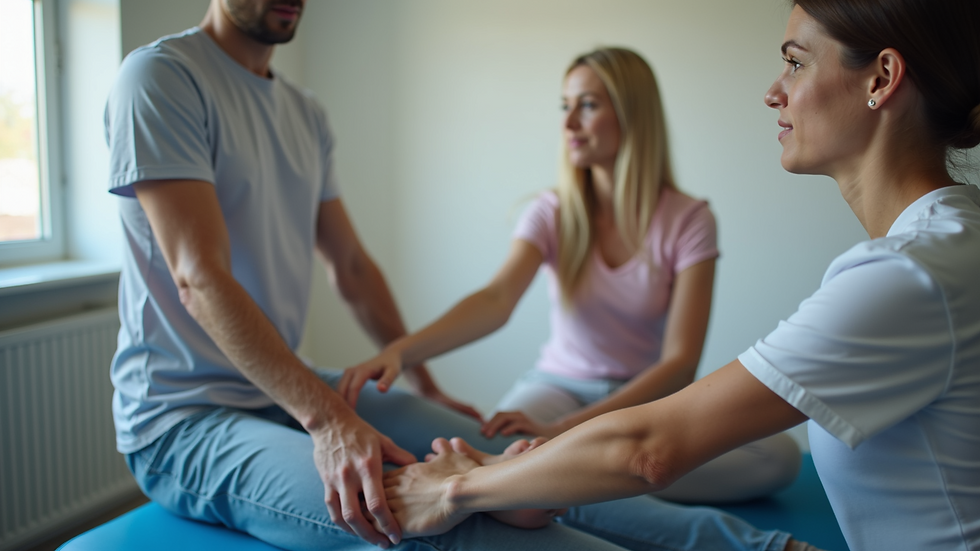
Rehabilitation also addresses pain management. Techniques like heat therapy or electrical stimulation can ease discomfort, making it easier to participate in exercises. This holistic approach ensures you’re not just healing but also feeling better day by day.
What is an Example of Rehabilitation?
To make this more concrete, let’s look at a common example: recovering from a sports injury, such as a sprained ankle.
Initial Phase: Focus on reducing swelling and pain with rest, ice, compression, and elevation (RICE).
Early Rehabilitation: Gentle movements to restore range of motion without stressing the injury.
Strengthening Phase: Exercises to rebuild muscle strength around the ankle.
Balance and Coordination: Activities to improve stability and prevent future sprains.
Return to Activity: Gradual reintroduction to sports or daily activities with guidance.
This example shows how rehabilitation is a gradual, carefully monitored process. It’s designed to help you regain full function safely and confidently.

Each step is important. Skipping phases or rushing recovery can lead to re-injury or chronic problems. That’s why working with skilled professionals is so valuable. They ensure you progress at the right pace and adapt your program as needed.
Tips for Making the Most of Your Rehabilitation Journey
Starting rehabilitation can feel like a big commitment, but it’s worth it. Here are some practical tips to help you get the best results:
Be Consistent: Attend all your sessions and follow your home exercise program.
Communicate Openly: Share your pain levels, progress, and any concerns with your therapist.
Set Realistic Goals: Work with your therapist to set achievable milestones.
Stay Positive: Recovery takes time, but every small improvement counts.
Ask Questions: Understanding your treatment helps you stay motivated and engaged.
Focus on Prevention: Learn proper techniques and lifestyle habits to avoid future injuries.
Remember, rehabilitation is a partnership. Your active participation is key to success.
Finding the Right Rehabilitation Services in New York City
If you’re looking for comprehensive care, it’s important to choose a facility that offers a full range of services and experienced therapists. In New York City, there are centers dedicated to helping people recover from injuries and manage pain effectively.
Look for places that provide:
Personalized treatment plans
Skilled and licensed therapists
Modern equipment and therapy techniques
Supportive and welcoming environment
Convenient location and flexible scheduling
One such option is health and rehabilitation, which focuses on helping you recover fully and prevent future issues. Their team understands the unique challenges of living in a busy city and tailors care to fit your lifestyle.
Taking the first step toward rehabilitation can be empowering. With the right support, you can overcome pain, regain function, and enjoy life again.
I hope this overview helps you feel more confident about rehabilitation services and how they can support your recovery. Remember, healing is a journey, and you don’t have to walk it alone. With the right care and commitment, you can get back to your best self.


Comments