

Accelerate Achilles Tendinopathy Recovery with Shockwave and Laser Therapy at NYPT
Table of Contents
Why Achilles Tendinopathy Sidelines Active New Yorkers
The Achilles tendon bears the weight of every stride, jump, and sprint. For runners, CrossFit athletes, basketball players, and anyone navigating New York's demanding pace, this powerful tendon is both essential and vulnerable.
Achilles tendinopathy develops gradually. Unlike a sudden tear, tendinopathy creeps up through repetitive loading, training overload, or sudden increases in activity intensity. You might notice a dull ache that worsens after your workout, stiffness in the morning, or pain that intensifies when climbing stairs. Many active New Yorkers ignore these early signals, hoping rest alone will resolve the issue. Days turn into weeks, weeks into months, and what started as manageable discomfort becomes a serious barrier to the activities that define your lifestyle.
The longer tendinopathy persists untreated, the more degeneration occurs at the cellular level. This is why we emphasize early intervention and targeted treatment rather than waiting for the problem to resolve on its own.
Understanding Achilles Tendinopathy: Beyond Traditional Rest and Ice
Achilles tendinopathy isn't simply inflammation. Modern research shows that the condition often involves micro-tears, collagen disorganization, and reduced blood flow within the tendon structure. Resting the area may quiet pain temporarily, but it doesn't address the underlying tissue damage or restore normal tendon architecture.
Your Achilles tendon experiences thousands of micro-stresses daily. When those stresses exceed the tendon's capacity to adapt and repair, degeneration begins. This might happen through:
Rapid increases in training volume or intensity
Inadequate recovery between workouts
Chronic overuse without proper load management
Biomechanical imbalances in the lower body
Age-related changes in tissue resilience
The key insight is this: healing requires more than time. It requires active stimulation of cellular repair mechanisms, restoration of blood flow, and progressive strengthening that matches your tendon's improving capacity. Rest without targeted intervention often leads to incomplete healing and recurrent symptoms.
The Limitations of Conventional Physical Therapy Approaches
Traditional physical therapy has value, but standard modalities alone often fall short for stubborn tendinopathy. Gentle stretching, basic strengthening exercises, and ice application address comfort and mobility to a point, yet they don't directly stimulate the deep tissue regeneration that chronic tendinopathy demands.
Many athletes experience this frustration: they complete a standard 6-to-8-week therapy program, feel marginally better, but remain unable to return to their previous training level without pain flaring up again. The tendon hasn't truly healed at the cellular level; symptoms have merely subsided.
We've found that conventional approaches work best when combined with evidence-based advanced modalities. Using shockwave or laser therapy alone without concurrent strengthening and movement training is equally limiting. The solution requires integration.
How Shockwave Therapy Accelerates Achilles Tendon Healing
Extracorporeal shockwave therapy (ESWT) delivers acoustic waves directly to the affected tendon tissue. These waves trigger a remarkable biological response: they stimulate neovascularization (new blood vessel formation), activate growth factors, and promote collagen remodeling. Essentially, shockwave therapy wakes up your tendon's own healing mechanisms.
Here's what happens during treatment:
Acoustic waves penetrate deep tissue layers, reaching areas that manual therapy cannot access
The mechanical stimulus breaks down scar tissue and disorganized collagen
Increased blood flow delivers oxygen and nutrients essential for repair
Growth factor signaling accelerates cellular regeneration
Dormant repair pathways re-engage
We typically administer shockwave therapy in targeted sessions. The procedure takes 15-20 minutes and is performed in our clinic without anesthesia, though you may experience mild discomfort during treatment. Many patients report significant improvement within 3-6 weeks, though individual responses vary based on tendon condition severity and your body's healing capacity.
The beauty of shockwave therapy is its ability to address chronic, degenerative tendon tissue that hasn't responded well to conservative care alone. Learn more about shockwave therapy benefits for athletic recovery.
Action step: If you've tried conventional physical therapy for more than 4-6 weeks without meaningful improvement, shockwave therapy may accelerate your progress.
Class IV Laser Therapy: Cellular Regeneration for Tendon Repair
Class IV laser therapy operates on different principles than shockwave, making it a powerful complementary tool. High-powered laser light penetrates tissue and is absorbed by mitochondria within cells, boosting ATP (cellular energy) production and reducing inflammation at the molecular level.
For Achilles tendinopathy, Class IV laser therapy offers distinct advantages:
Rapid reduction in inflammatory markers without medication
Enhanced mitochondrial function, supporting cellular repair processes
Improved tissue oxygenation and nutrient delivery
Decreased pain perception through neurobiological pathways
Promotes collagen synthesis needed for tendon remodeling
Sessions typically last 10-15 minutes. The laser energy feels warm on the skin and is completely non-invasive. Most patients tolerate it well, with no downtime afterward. We often combine laser therapy with your hands-on treatment during the same appointment for synergistic benefits.
Research on Class IV laser therapy for tendon conditions shows promising outcomes, particularly when integrated into a comprehensive rehab program. Explore laser therapy pricing and what to expect from this investment in your recovery.
Combining Advanced Modalities with One-on-One Physical Therapy
Technology alone doesn't restore function. We structure your recovery around personalized one-on-one physical therapy paired with advanced modalities like shockwave and laser therapy.
During your sessions, our clinicians assess movement patterns, identify strength deficits, and address biomechanical issues contributing to your Achilles strain. We might discover that ankle mobility limitations, calf tightness, or glute weakness are driving excessive stress through your tendon. Correcting these underlying factors prevents re-injury.
Your customized program includes:
Manual therapy techniques to restore tissue mobility and reduce pain
Progressive strengthening tailored to your tendon's healing stage
Proprioceptive training to rebuild stability and control
Sport-specific movement patterns preparing you for return to activity
Education on load management and training principles
The integration matters profoundly. Shockwave or laser therapy stimulates healing potential, but your body requires movement and controlled stress to direct that healing toward functional tissue. One-on-one therapy ensures you're loading your tendon intelligently, avoiding patterns that re-injure the tissue.
Our Return to Action Protocol for Athletes
Getting athletes back to their sport is our specialty. Our Return to Action Protocol structures recovery in progressive phases, each building on the previous one.
Phase 1: Pain Management and Tissue Stimulation (Weeks 1-3) Focus on reducing pain while initiating cellular repair. Shockwave and laser therapy begin here alongside gentle range-of-motion work and soft tissue mobilization. You're establishing the foundation for more intensive loading.
Phase 2: Strength and Mobility Development (Weeks 4-8) Now we emphasize progressive strengthening in multiple planes. Calf raises, eccentric loading, and controlled ankle movements rebuild tendon capacity. Advanced modalities continue as needed. Pain should decrease noticeably during this phase.
Phase 3: Dynamic Movement and Sport-Specific Training (Weeks 9-12) Introduction of higher-impact activities like jogging, cutting, and sport-specific movements. Our clinicians monitor your response carefully, scaling intensity based on pain and function. We use our anti-gravity treadmill during this phase to allow gradual return to running with reduced joint stress.
Phase 4: Return to Competition and Prevention (Weeks 13+) Full return to your sport with advanced conditioning and injury prevention strategies embedded into your ongoing routine.
Your individual timeline depends on tendinopathy severity, your training history, and your body's healing response. We adjust the protocol throughout your care based on your progress.
What to Expect During Your Recovery Timeline
Realistic expectations support adherence and prevent discouragement. Most patients with moderate Achilles tendinopathy show noticeable improvement within 4-6 weeks of combined shockwave therapy, laser therapy, and progressive physical therapy.
However, complete tissue remodeling takes longer. Tendons heal slower than muscle because blood flow is limited. We typically recommend a 12-16-week recovery window for substantial functional restoration and safe return to sport. Some athletes recover faster; others require additional time based on tendon condition and training demands.
During the first two weeks, you may experience mild soreness immediately following shockwave therapy, similar to post-workout muscle soreness. This is normal and typically resolves within hours. Laser therapy rarely causes discomfort.
Pain should show a clear downward trend every 2-3 weeks. If you plateau or worsen, we reassess your program and potentially adjust modalities, frequency, or exercise prescription. Recovery isn't perfectly linear, but overall trajectory should move forward.
Real Results: Getting Back to Peak Performance
Athletes we work with return to running, cycling, CrossFit, basketball, and competitive training. One runner who'd been sidelined for 8 months with chronic Achilles pain completed a half-marathon three months into our protocol. A CrossFit competitor returned to full WODs and resumed competition. A basketball player regained explosive power and cut ability.
These outcomes reflect a critical principle: advanced modalities work when paired with intelligent, progressive strength and movement training. Shockwave and laser therapy accelerate the biological healing process, but your consistent engagement in therapy and gradual return to loading determines whether healing translates to lasting function.
We focus on building resilience, not just eliminating pain. Your Achilles tendon will be stronger and more robust after this process than before your injury, provided you follow the progressive loading principles we establish together.
Schedule Your Personalized Recovery Assessment Today
Your Achilles tendinopathy doesn't have to sideline you indefinitely. We combine evidence-based advanced modalities with expert one-on-one physical therapy to address both the pain and the underlying tissue damage.
The first step is a thorough assessment. We'll evaluate your tendon condition, movement patterns, and training history to design a recovery plan tailored to your specific situation and athletic goals. This isn't cookie-cutter rehabilitation; it's personalized care designed to get you back to the activities you love.
Contact us at https://www.nypt.nyc to schedule your assessment. We're here to guide your recovery with expertise, encouragement, and the advanced tools that accelerate healing. Let's get you back to peak performance.
Frequently Asked Questions (FAQ)
How quickly can I return to running after Achilles tendinopathy treatment at NYPT?
We typically see our patients progress to light jogging within 6-8 weeks when combining shockwave therapy, Class IV laser treatment, and targeted physical therapy. Our Return to Action protocol is customized based on your specific injury severity and fitness level, so we work with you to establish realistic milestones throughout your recovery. Most of our active patients are back to their regular running routine within 3-4 months, though we prioritize sustainable healing over rushing the process.
What makes shockwave and laser therapy more effective than traditional rest and ice for Achilles injuries?
We use these advanced modalities because they stimulate cellular regeneration at the tendon level rather than simply managing pain symptoms. Shockwave therapy creates microtrauma that triggers your body's natural healing response and promotes new blood vessel formation, while Class IV laser therapy reduces inflammation and accelerates tissue repair at the cellular level. Traditional rest and ice can help acutely, but we've found that combining them with our hands-on physical therapy and these technologies significantly accelerates recovery for the demanding lifestyle of New York athletes.
Do I need to do anything special to prepare for my first appointment at NYPT?
We ask that you bring any relevant imaging reports or medical records from your doctor, wear comfortable clothing that allows us to assess your Achilles tendon and gait, and arrive a few minutes early to complete our intake forms. Beyond that, just come ready to discuss your training goals and what you want to get back to doing. Our team will handle everything else during your personalized assessment to create your customized recovery plan.
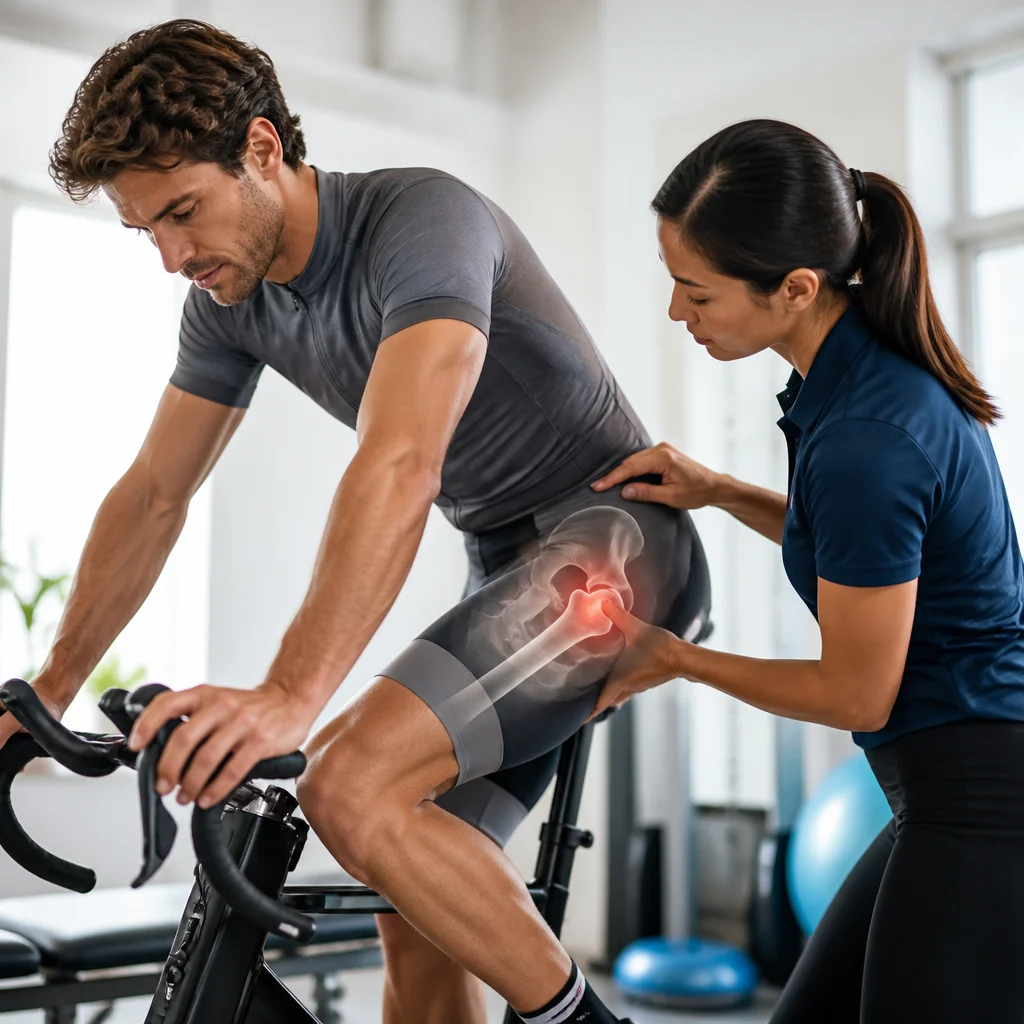
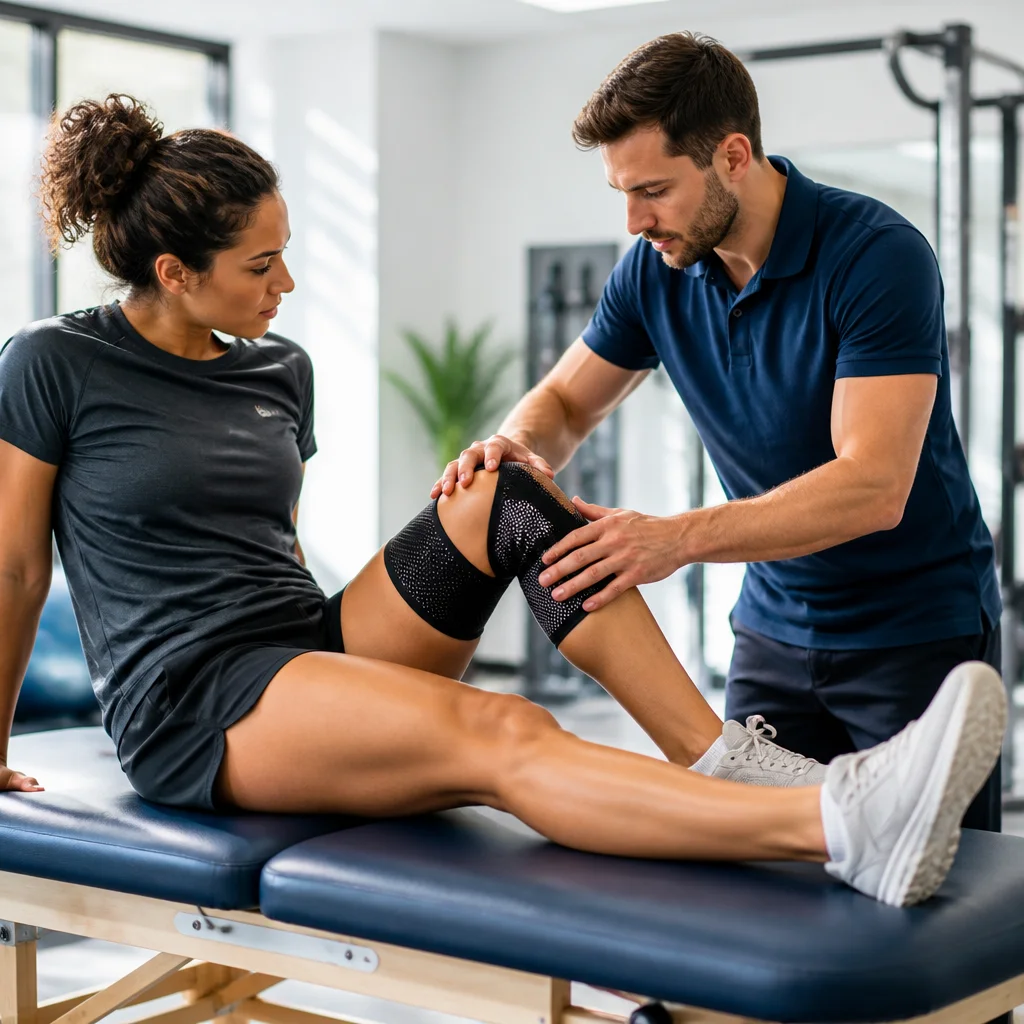
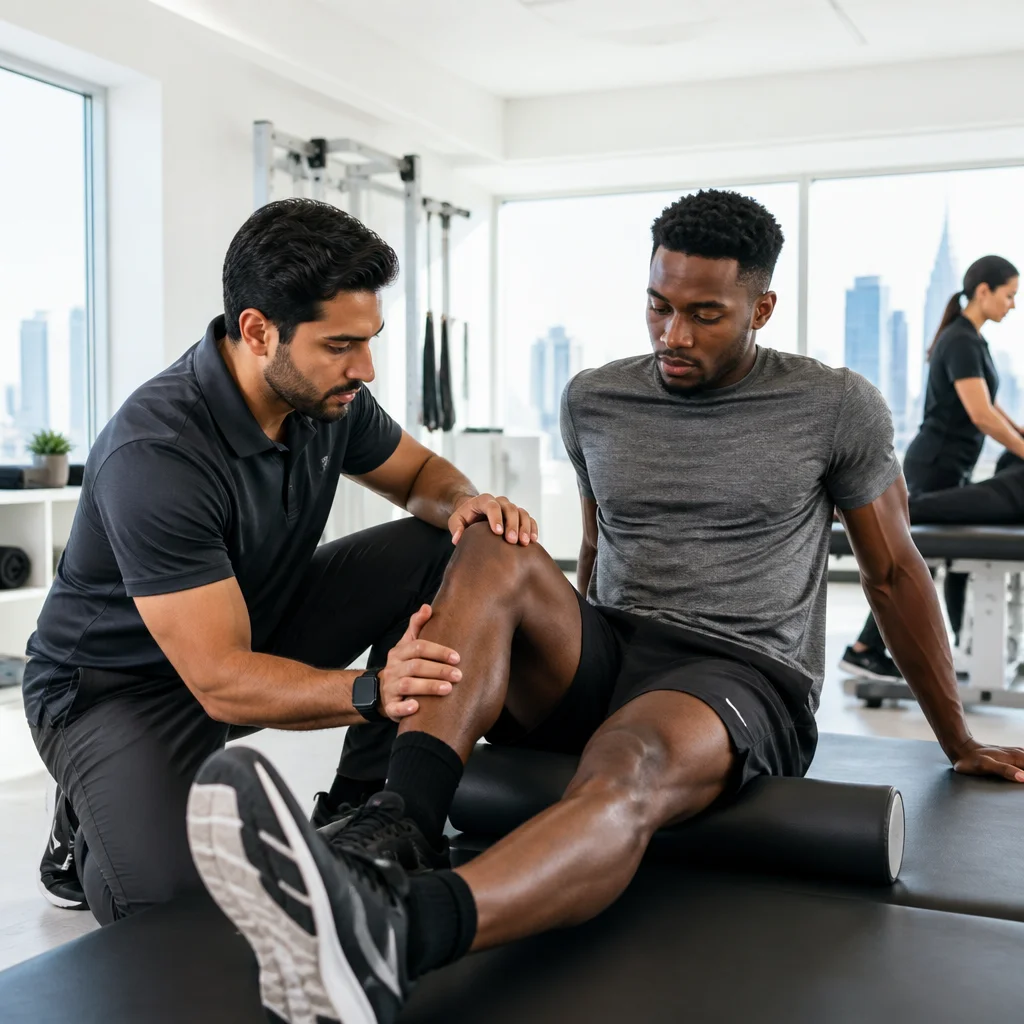
Combining shockwave therapy, laser treatment, and personalized physiotherapy offers an interesting approach to Achilles tendon rehabilitation. Progressive strengthening and proper recovery planning are essential for returning to activities safely. Similarly, NAD+ IV therapy Malaysia reflects growing interest in cellular wellness, highlighting the importance of evidence-based treatments and professional medical guidance.
Do you like this personality?