

Manual Therapy & Shockwave Therapy for Faster Tendonitis Recovery in NYC
Table of Contents
Why Tendonitis Sidelined Your Athletic Performance
Tendonitis strikes when you least expect it. You're training hard, pushing toward your goals, and suddenly a sharp pain interrupts your routine. Whether it's your shoulder, elbow, knee, or ankle, tendon inflammation can sideline even the most dedicated athletes.
Tendons are dense connective tissues that anchor muscle to bone. Unlike muscles, they receive limited blood flow, which means they heal slowly on their own. When repetitive stress, overuse, or sudden trauma inflames a tendon, your body's natural response is pain and reduced mobility. That discomfort isn't just a warning sign; it's your nervous system protecting an area that needs immediate, targeted care.
The challenge many active New Yorkers face is that tendonitis doesn't simply resolve with rest alone. Days off might ease acute pain, but without proper intervention, you risk chronic inflammation, weakened tissue, and a frustrating cycle of re-injury. We've seen countless athletes return to activity too quickly, only to find themselves back where they started. Understanding what's happening inside your tendon helps explain why a thoughtful, multi-faceted approach works better than hoping time will heal the injury.
The Limitations of Standard Tendonitis Treatment Alone
Traditional approaches to tendonitis often rely on a narrow toolkit: rest, over-the-counter anti-inflammatory medication, and basic stretching exercises. While these steps can ease immediate pain, they frequently miss the underlying tissue damage and functional deficits that need attention.
Rest alone doesn't stimulate the metabolic processes required for genuine tendon repair. In fact, prolonged immobility can lead to muscle atrophy and loss of proprioception, making your return to activity slower and riskier. Over-the-counter anti-inflammatories may mask pain temporarily, but they don't address the structural changes within the tendon itself or restore the strength you've lost.
Generic stretching protocols treat every tendon injury the same way, which doesn't account for individual biomechanics, sport-specific demands, or the exact location of your inflammation. A runner's Achilles tendonitis requires different rehabilitation than a tennis player's lateral elbow tendonitis. Without personalized assessment and targeted intervention, you're essentially following a one-size-fits-all prescription that often leaves patients frustrated and still unable to perform at their best.
How We Combine Manual Therapy with Shockwave Technology
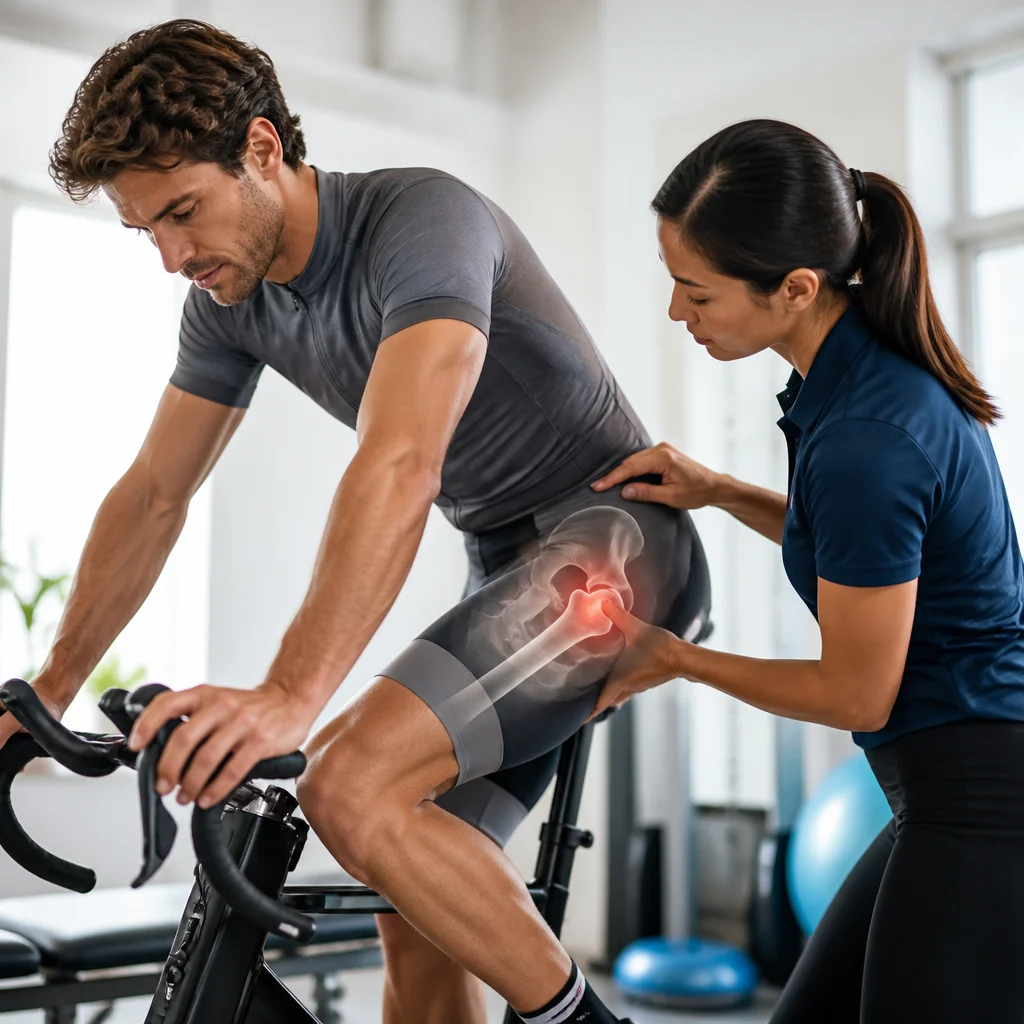
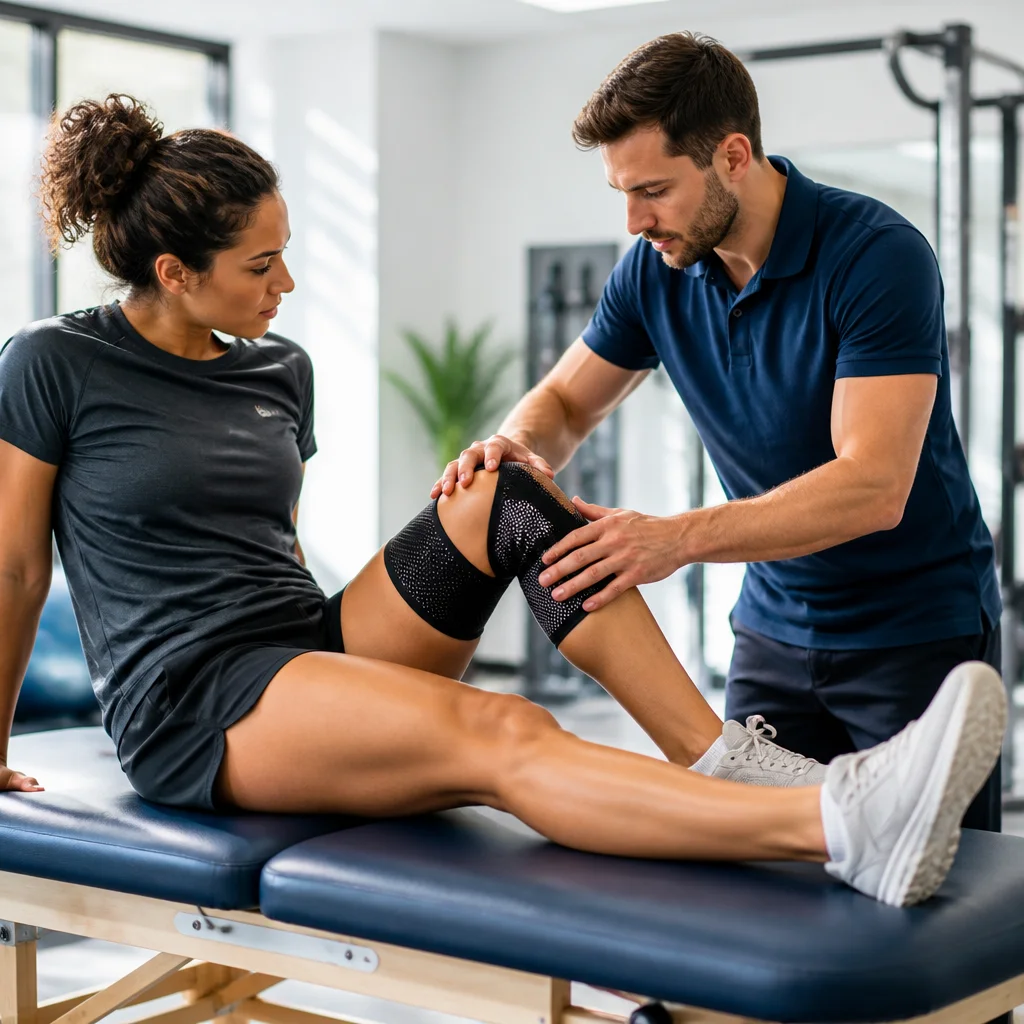
At NYPT Health & Rehab, we've found that combining manual therapy with advanced shockwave technology produces faster, more durable results than either approach alone. Manual therapy allows us to address soft tissue restrictions, improve blood flow, and restore normal movement patterns. Shockwave therapy stimulates a biological healing response deep within the tendon tissue itself.
These two modalities work synergistically. Manual therapy primes the tissue, reduces muscular guarding, and restores local circulation. Then shockwave therapy triggers cellular activity and microtrauma that signals your body to increase healing-related growth factors in the injured tendon. The combination accelerates recovery timelines significantly compared to standard treatment.
Our one-on-one sessions allow us to customize this blend for your unique injury. We assess your movement quality, palpate the affected tendon, and design a protocol that matches your tissue response and athletic goals. This isn't a cookbook approach; it's evidence-based care adapted to you.
What Manual Therapy Techniques We Use for Tendon Healing
Manual therapy encompasses several specialized hands-on techniques we apply strategically during your recovery.
Soft tissue mobilization targets muscle and fascia around the injured tendon. By releasing tight myofascial structures, we reduce excessive tension that pulls on the tendon and impairs healing. Think of it as removing unnecessary stress from the injured area so it can truly recover.
Joint mobilizations restore normal arthrokinematics at the affected joint. Stiff joints create compensatory movement patterns that overload tendons. By gently restoring proper joint motion, we reduce abnormal forces on the damaged tissue.
Trigger point release addresses muscle knots that refer pain and restrict movement. We use sustained pressure on specific points to deactivate these patterns and restore normal neuromuscular firing.
Soft tissue instrument-assisted techniques use specialized tools to detect and treat scar tissue, adhesions, and areas of reduced tissue mobility. This helps break down fibrotic buildup that accumulates after injury and stiffens the tendon.
Each technique serves a purpose in preparing tissue for shockwave therapy and retraining your movement patterns. Our therapists assess which methods your specific injury responds to best and adjust accordingly throughout your recovery.
The Role of Class IV Shockwave Therapy in Recovery
Class IV shockwave therapy (also called extracorporeal shock wave therapy, or ESWT) delivers acoustic waves directly into the injured tendon. This creates controlled microtrauma that activates your body's natural healing cascade.
Here's what happens: the shockwaves stimulate increased blood flow to the tendon, promote new blood vessel formation, and trigger the release of growth factors that accelerate tissue repair. This biological response addresses the root cause of chronic tendonitis, not just symptom management.
Shockwave therapy is particularly effective for tendons because it can reach deep structures that manual therapy and exercise alone cannot fully access. We've observed that patients using combined manual and shockwave therapy typically progress through recovery phases faster than those using either modality in isolation.
The treatment feels like a series of tapping sensations over the injured area. It's tolerable and requires no anesthesia. Sessions typically last 15 to 20 minutes, and we often pair them with manual therapy in the same appointment to maximize the tissue's responsiveness.
Why One-on-One Treatment Matters for Your Specific Injury
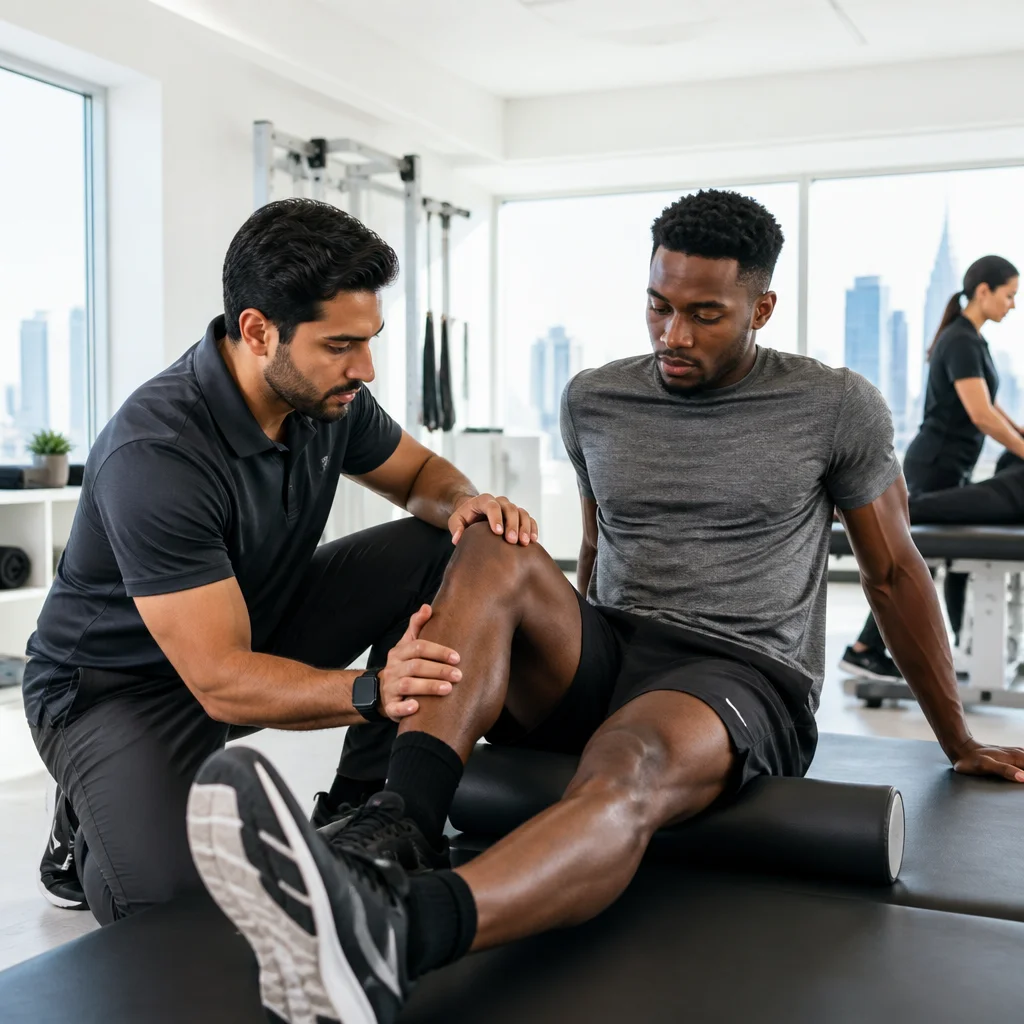
Group classes and generic exercise programs can't adapt in real-time to your tissue response, pain patterns, and movement quality. One-on-one physical therapy allows us to make adjustments mid-session based on what we observe and what you report.
During each appointment, we reassess your tendon mobility, test specific movement patterns, and refine your exercise prescription. If you're compensating or if a technique isn't producing the expected response, we catch it immediately and pivot. This responsiveness is crucial when dealing with chronic or complex tendonitis that hasn't resolved with standard care.
Your therapist also learns your goals, lifestyle constraints, and preferred activities. This personal context shapes every decision we make about your recovery plan. An ultramarathon runner needs different conditioning than a weekend cyclist. A financial analyst with desk work requires modifications different from a construction worker. Personalized one-on-one care ensures your rehabilitation directly supports your life and goals.
Our Integrated Approach to Tendonitis Rehabilitation
We view tendonitis recovery as a multifaceted process requiring more than isolated treatments. Our integrated approach weaves together manual therapy, shockwave technology, targeted strength training, and movement retraining into a cohesive plan.
We begin with comprehensive assessment: palpation, range-of-motion testing, functional movement analysis, and understanding your injury history. From there, we design a protocol that typically includes 2-3 sessions per week for 4-6 weeks, though your timeline depends on injury severity and tissue response.
Each session might include:
Manual therapy to restore mobility and reduce muscle guarding
Class IV shockwave therapy to stimulate tendon healing
Targeted exercises that progressively load the tendon in ways that promote adaptation
Movement pattern corrections to eliminate biomechanical stressors
Education about activity modification and self-care strategies
As you progress, we layer in more dynamic, sport-specific movements. This graduated progression mirrors how tendons actually adapt to stress. We're not just reducing pain; we're rebuilding tissue resilience and capacity.
Return to Action Strength and Conditioning After Recovery
Once the acute inflammation phase resolves, we transition into return-to-action strength and conditioning. This phase is where many athletes falter when working with providers who lack sports-specific expertise.
Returning to your sport isn't just about being pain-free; it's about regaining the strength, speed, agility, and sport-specific coordination you had before injury. We design progressive protocols that challenge your tendon and supporting muscles in ways that directly mirror your athletic demands.
A tennis player, for example, needs explosive rotational power, lateral quickness, and overhead stability. A runner needs elastic recoil in the Achilles tendon, hip stability, and efficient running mechanics. Our strength and conditioning work targets these specific needs.
We use advanced tools like our anti-gravity treadmill for impact-sensitive runners, allowing you to train at reduced body weight while rebuilding running tolerance. Sport-specific drills are layered in progressively as tissues adapt. By the time you return to full competition, you're not just healed; you're reconditioned and confident.
Real Results from NYC Athletes Who Trusted Our Process
Our patients consistently report faster recovery and sustained return to peak performance. A basketball player with chronic patellar tendonitis who previously took six months to clear for sport returned in eight weeks using our combined manual and shockwave approach. A CrossFit athlete with lateral elbow tendonitis (often called "tennis elbow") progressed from modified workouts to full participation in four weeks.
These aren't outliers. Athletes across disciplines see similar timelines when they commit to personalized, evidence-based care. The common thread is that they addressed both the tissue damage and the biomechanical patterns that contributed to injury.
What often impresses patients most is the clarity they gain. Instead of feeling uncertain about whether they're doing the right thing, they understand exactly why each treatment component matters and how it contributes to their goals. That confidence translates to better compliance and better outcomes.
Your Personalized Recovery Timeline and What to Expect
While recovery timelines vary based on injury severity, tissue quality, and how long the condition has been present, you can expect a structured progression.
Weeks 1-2: Focus is on reducing inflammation through manual therapy and beginning shockwave therapy. You'll likely modify activities to avoid pain-provoking movements. Initial discomfort typically decreases noticeably.
Weeks 3-4: As acute inflammation settles, we introduce gentle loading exercises. You'll regain range of motion and begin light strengthening. Many patients notice significant functional improvement during this phase.
Weeks 5-8: Progressive strengthening intensifies. Sport-specific movements begin. Most patients are clearing modified versions of their activities.
Weeks 8+: Return-to-action conditioning and sport-specific training. Full return typically occurs within this timeframe, though elite athletes may require slightly longer to optimize performance.
Throughout, we reassess weekly to ensure progression is appropriate and adjust if needed. Your individual timeline depends on your response, starting point, and commitment to the program.
Schedule Your Comprehensive Tendonitis Evaluation Today
If tendonitis has interrupted your athletic life, we're here to help you recover smarter and faster. Our comprehensive evaluation includes detailed movement assessment, tendon-specific testing, and a personalized treatment plan combining manual therapy and shockwave technology designed specifically for your injury and goals.
We're located in New York City and work with athletes across every discipline. Reach out to NYPT Health & Rehab to schedule your evaluation. Together, we'll create a clear path back to the activities and performance level you're working toward.
For further reading: Integrated rehab for athletes.
Frequently Asked Questions (FAQ)
How long does it typically take to recover from tendonitis with your combined manual therapy and shockwave approach?
Recovery timelines vary based on your injury's severity and how long you've been dealing with symptoms, but we typically see our patients progress significantly within 4-6 weeks of consistent treatment. We combine manual therapy with shockwave technology to accelerate healing at the tissue level, and many of our athletes return to sport-specific training within 8-12 weeks. During your initial assessment, we'll evaluate your specific condition and provide a personalized timeline based on your goals and injury history.
What makes one-on-one physical therapy more effective than group sessions for tendonitis?
We design each session exclusively around your injury mechanics and athletic demands, which allows us to modify techniques in real-time based on your response to treatment. Group settings cannot address the nuances of your particular tendon injury or adjust our manual therapy pressure and shockwave intensity to match your tissue's healing stage. Our one-on-one approach means you receive our full attention to ensure every session builds directly toward your return to peak performance.
What can I expect during the return-to-action phase after my tendonitis heals?
Once your tendon has responded positively to our manual therapy and shockwave treatments, we transition you into our strength and conditioning program designed specifically for your sport or activity. We progressively load your recovered tendon while building the muscular support needed to prevent re-injury, and we'll guide you through sport-specific movements to rebuild your confidence and athletic capacity. This phase typically takes 3-4 weeks, and we continue monitoring your progress to ensure you're truly ready to handle your normal training intensity.
Comments