

Advanced Class IV Laser Therapy in NYC: Fast Pain Relief & Healing for Athletes
Table of Contents
Why Athletes in NYC Turn to Laser Therapy for Fast Recovery
New York's active population doesn't have time for prolonged downtime. Whether you're a runner training for a marathon, a weekend warrior dealing with a shoulder injury, or a competitive athlete pushing your limits, getting back to peak performance matters. Class IV laser therapy has become a go-to solution for urban athletes because it delivers measurable results without surgery, injections, or heavy medication reliance.
The appeal is straightforward: targeted light energy penetrates deep into injured tissue, reducing pain and accelerating healing in ways traditional approaches often can't match. Athletes see noticeable improvements in swelling, stiffness, and pain levels within days to weeks, not months. This speed advantage means you can progress through rehabilitation faster and return to the activities that define your lifestyle.
At our clinic, we've treated hundreds of New York athletes with Class IV laser therapy. The consistent feedback we hear is that combining laser treatment with structured physical therapy creates a genuinely different recovery experience. You're not just masking pain; you're actively promoting tissue repair at the cellular level.
Action item: If you've been managing pain with ice, rest, or over-the-counter medications for more than two weeks, laser therapy may accelerate your healing timeline significantly.
How Class IV Laser Technology Works to Reduce Pain and Inflammation
Class IV lasers use specific wavelengths of light, typically between 800 and 1000 nanometers, that penetrate several centimeters into tissue. Unlike lower-power lasers, Class IV systems deliver enough energy to reach deep structures like ligaments, tendons, and muscle without damaging surface skin.
When the laser light contacts tissue, it's absorbed by mitochondria within cells, stimulating a molecule called ATP (adenosine triphosphate). This boost in cellular energy triggers a cascade of beneficial effects: increased blood flow, reduced inflammatory markers, and enhanced tissue repair mechanisms. The result is genuine pain reduction and healing acceleration, not temporary numbing.
The treatment itself is non-invasive and comfortable. During a session, you'll feel gentle warmth as the handheld applicator moves across the affected area. Most patients describe it as soothing rather than uncomfortable. Sessions typically last 5 to 15 minutes depending on the injury size and depth.
A key advantage of Class IV lasers is their dual action. They simultaneously reduce pain and inflammation while stimulating your body's natural healing response. This makes them particularly effective for acute injuries with significant swelling or chronic conditions where inflammation has become self-perpetuating.
Action item: Request a specific assessment of your injury depth and size during your consultation so we can determine the ideal laser therapy dosage for your condition.
The Science Behind Cellular Healing and Tissue Repair
Understanding what happens at the cellular level helps explain why laser therapy produces results faster than passive approaches. When Class IV laser photons penetrate tissue, they're absorbed by cytochrome c oxidase, an enzyme in the mitochondrial electron transport chain. This absorption boosts ATP production, essentially giving your cells more energy to perform repair work.
Increased ATP availability triggers several parallel processes. Fibroblasts (cells responsible for collagen synthesis) become more active, accelerating tissue remodeling. Inflammatory cytokines decrease, allowing the initial healing phase to transition smoothly into tissue rebuilding. Blood vessel formation improves, delivering more oxygen and nutrients to the injury site.
Pain relief occurs through multiple mechanisms. Reduced inflammation decreases stimulation of pain receptors. Increased endorphin production and improved nerve function also contribute to pain reduction. These effects compound over multiple sessions, which is why a treatment course typically involves four to eight sessions spaced a few days apart.
Research consistently shows that Class IV laser therapy accelerates the normal healing timeline by weeks or even months. For someone with a moderately severe soft-tissue injury, the difference between healing in three months versus six months can be transformative for your training and lifestyle.
Action item: Plan for a series of treatments rather than a single session to maximize cellular-level healing and achieve lasting results.
Common Sports Injuries We Treat with Class IV Laser Therapy
We use Class IV laser therapy to address a wide range of injuries that plague active New Yorkers. Plantar fasciitis, rotator cuff strains, tennis elbow, and Achilles tendinopathy respond particularly well to laser treatment combined with targeted rehabilitation.
Running injuries represent a large portion of our caseload. Patellar tendinitis (runner's knee), IT band syndrome, and shin splints all improve significantly with laser therapy because these injuries involve inflammation and tissue microtrauma that laser light specifically targets. Cyclists frequently benefit from treatment of gluteal muscle strains and knee flexor tightness.
Shoulder injuries are equally common. Rotator cuff tendinitis, subacromial impingement, and labral strain recovery all accelerate with Class IV laser therapy. The deep penetration allows us to treat structures beneath the surface muscles that manual therapy alone can't fully address.
Acute traumatic injuries like ankle sprains, muscle contusions, and ligament sprains also benefit tremendously. The faster you address inflammation with laser therapy, the faster you can progress to strengthening without pain holding you back.
Our approach always customizes laser therapy protocols to your specific injury. A chronic shoulder issue requires different dosing and frequency than an acute ankle sprain, so individual assessment remains critical before any treatment begins.
Action item: Schedule a consultation to have your specific injury evaluated for laser therapy suitability and optimal treatment frequency.
What to Expect During Your First Class IV Laser Session
Your first appointment begins with a comprehensive evaluation. We assess your injury history, current pain levels, range of motion limitations, and functional deficits. This baseline establishes clear progress markers so you'll know exactly how much improvement you're achieving through treatment.
Once we've identified the treatment area, we'll position you comfortably and apply the laser applicator directly to your skin. The device uses contact without pressure, so you won't experience discomfort. Most patients describe the sensation as pleasant warmth penetrating deeper than surface heat. The treatment area may receive coverage in overlapping passes to ensure thorough delivery of laser energy.
During treatment, we'll monitor your response and adjust intensity if needed based on your comfort. Sessions last anywhere from 5 to 15 minutes depending on the injury size and location. After treatment, you can return to normal activities immediately, though we typically recommend light movement rather than intense exercise on treatment days.
You'll receive post-session guidance about activity modification and complementary home care. Many patients report noticeable pain reduction within 24 to 48 hours after their first treatment. Progressive improvement continues with each session as cumulative effects build.
We'll schedule follow-up sessions based on your injury pattern and healing response. Most patients attend treatments 2 to 3 times weekly for 2 to 4 weeks, then transition to maintenance or discharge depending on their progress.
Action item: Wear comfortable, accessible clothing to your appointment so we can easily access the treatment area without interference.
Combining Laser Therapy with Physical Therapy for Maximum Results
Laser therapy excels at reducing inflammation and pain, but maximum results emerge when combined with targeted one-on-one physical therapy. Pain reduction opens a window of opportunity for strengthening and mobility work that wouldn't be tolerable in an inflamed state.
Our integrated approach sequences laser treatment with manual therapy and exercise. During your physical therapy session, we use hands-on techniques to restore mobility, address compensatory movement patterns, and identify underlying factors that contributed to your injury. Once inflammation decreases through laser therapy, you can tolerate more aggressive strengthening without pain triggering protective muscle guarding.
This combination also prevents re-injury. A runner with a knee strain treated with laser alone might return to running pain-free but with lingering strength deficits and altered movement patterns. Adding physical therapy addresses these underlying issues, ensuring durable recovery.
We customize the integration based on your injury and response. Some patients benefit from laser treatment before physical therapy to minimize pain during movement. Others progress with laser and PT sessions on alternating days. Your therapist adjusts the sequencing as your healing advances.
The synergy is genuine and measurable. Patients combining laser therapy with structured physical therapy typically recover in 40-50% less time than those using either modality alone.
Action item: Commit to completing the full course of physical therapy even as pain improves, because functional restoration ensures long-term injury prevention.
Real Recovery Timelines: When Athletes Return to Peak Performance
Recovery timelines vary based on injury severity, your overall health, training volume, and compliance with rehabilitation recommendations. Understanding realistic expectations prevents frustration and helps you plan your return-to-sport strategy effectively.
Acute mild injuries like uncomplicated muscle strains or minor tendinitis often show substantial improvement within 2 to 3 weeks of combined laser and physical therapy. Most athletes can return to modified training within this timeframe and resume full activity within 4 to 6 weeks.
Moderate injuries like Grade 2 muscle strains or significant tendinitis typically require 4 to 8 weeks. Class IV laser therapy accelerates this timeline by 2 to 4 weeks compared to traditional rehabilitation alone, which can mean the difference between missing one competition versus missing an entire season.
Chronic injuries or significant trauma requires longer dedication, typically 8 to 12 weeks of consistent treatment and rehabilitation. The good news is that laser therapy combined with physical therapy produces noticeably better long-term outcomes than conservative approaches, with lower re-injury rates and more durable functional restoration.
Factors that influence your timeline include your age, overall conditioning, whether you modify activity appropriately during recovery, and your adherence to the treatment plan. We provide clear guidance on activity progression and help you navigate the frustration that sometimes accompanies early-phase recovery.
Action item: Set realistic milestones with your therapist and celebrate incremental progress rather than fixating only on full return-to-sport, which maintains motivation through longer recovery journeys.
Why Our NYC Clinic Leads in Advanced Laser Rehabilitation
We've invested in Class IV laser technology because we recognize that modern athletes deserve modern recovery solutions. Our systems deliver consistent, reliable results supported by clinical evidence and thousands of patient outcomes.
Our therapists combine technical expertise in laser protocols with deep knowledge of sports rehabilitation principles. Laser therapy is a tool, but tool mastery matters. We assess each patient individually, optimize treatment parameters, and integrate laser work seamlessly into broader rehabilitation strategies rather than treating it as a standalone intervention.
We emphasize personalized one-on-one care throughout your recovery journey. Unlike high-volume clinics where you might see different practitioners at each session, we assign dedicated therapists who understand your goals, track your progression, and adjust your plan based on real progress data.
Our clinic location throughout New York City makes consistent treatment accessible. Regular attendance dramatically improves outcomes, and our convenient scheduling ensures that intense work commitments don't derail your recovery.
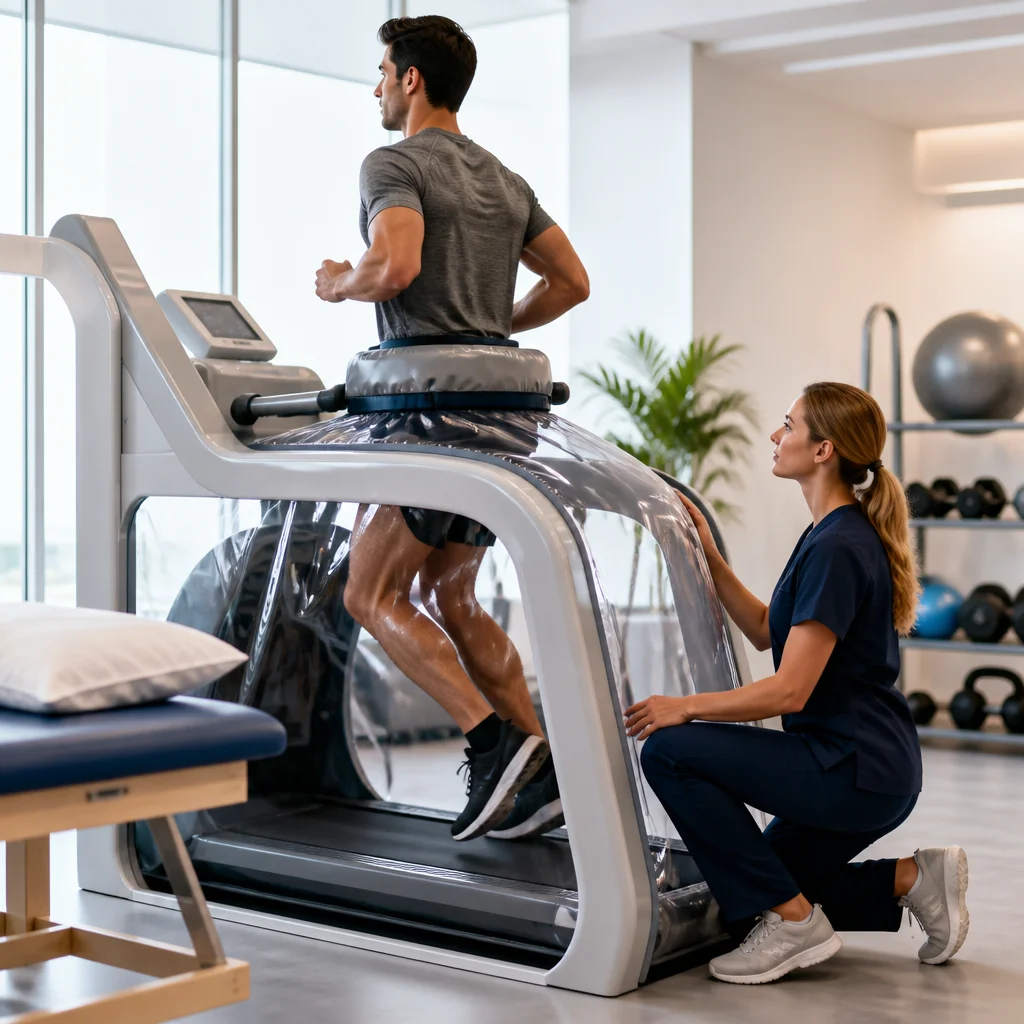
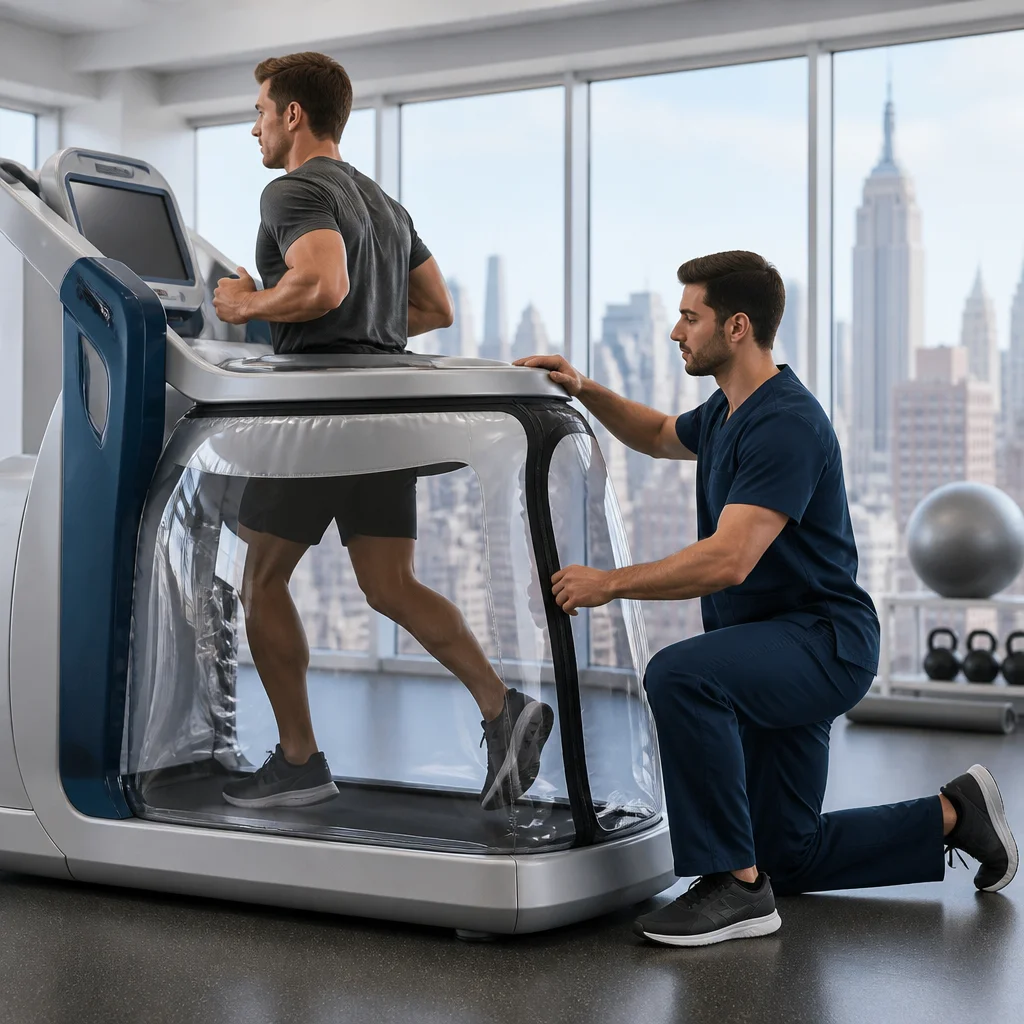
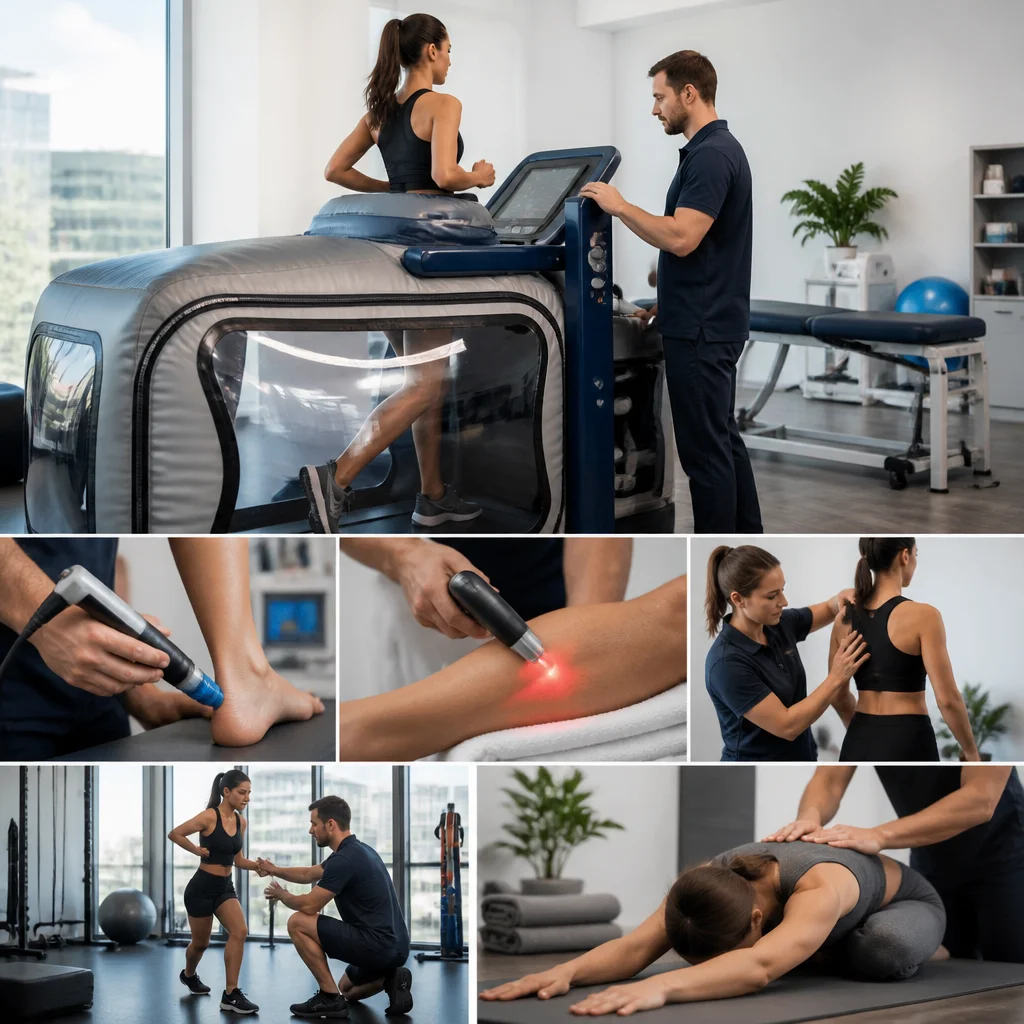
We also maintain comprehensive capabilities beyond laser therapy. Access to anti-gravity treadmill training, manual therapy, shockwave therapy, and strength conditioning means we can address complex injuries comprehensively rather than relying on any single modality.
Action item: Ask about your therapist's experience with your specific injury type during your initial consultation to ensure you're receiving specialized expertise.
Class IV Laser vs. Traditional Pain Management Approaches
Traditional pain management often emphasizes rest, ice, compression, and elevation followed by gradual return to activity. This approach is conservative but can leave you sidelined for extended periods. Anti-inflammatory medications reduce symptoms but don't accelerate tissue healing and can mask pain that's providing valuable feedback about injury severity.
Corticosteroid injections provide temporary symptom relief by suppressing inflammation, but they don't promote tissue repair and can weaken already-compromised structures if used repeatedly. Prolonged oral medication use carries side effects and risks, particularly for athletes who want to avoid systemic effects.
Class IV laser therapy takes a fundamentally different approach. Rather than suppressing symptoms, it actively promotes your body's natural healing response. Pain relief emerges as a byproduct of genuine tissue repair, not pharmaceutical suppression. This means the improvement you experience represents durable healing rather than temporary symptom masking.
Laser therapy also works alongside physical therapy naturally. Movement becomes tolerable earlier in the healing process because pain decreases rapidly, allowing you to restore strength and mobility before scar tissue develops or movement patterns become permanently altered.
The non-invasive nature of laser therapy means zero recovery time from the treatment itself. You won't experience medication side effects, injection site soreness, or systemic effects. This makes it ideal for athletes who need to maintain cardiovascular fitness or strength during injury rehabilitation.
Action item: Consider Class IV laser therapy if previous conservative treatments stalled your progress or if you prefer active healing over passive symptom management.
Next Steps: Schedule Your Personalized Laser Therapy Consultation
Ready to experience faster, evidence-based healing? Book Class IV Laser Therapy with our team at NYPT Health & Rehab and take the first step toward returning to peak performance.
During your consultation, we'll evaluate your specific injury, discuss your recovery goals, and explain how Class IV laser therapy integrated with physical therapy can accelerate your healing. You'll leave with a clear understanding of realistic timelines, treatment frequency, and expected milestones so you can plan your return-to-sport with confidence.
New York's active athletes deserve recovery solutions that match the pace of your lifestyle. We're here to help you heal faster, perform better, and stay injury-free long term.
Frequently Asked Questions (FAQ)
How does Class IV laser therapy fit into my overall recovery plan?
We design our laser therapy treatments to work alongside our personalized physical therapy program, not as a standalone solution. Our approach combines the laser's ability to reduce inflammation and accelerate cellular healing with hands-on manual therapy and targeted strengthening exercises tailored to your specific injury. Most of our patients see the best results when we integrate laser sessions with their weekly therapy schedule, allowing us to address pain relief while simultaneously rebuilding strength and mobility.
What kind of results can I expect, and how quickly will I notice improvement?
We've found that many athletes experience reduced pain within the first few sessions, though individual timelines vary based on your injury type and severity. We typically recommend a treatment plan of 4-8 sessions to see meaningful tissue healing, with most of our patients returning to their sport within 2-6 weeks depending on the extent of their injury. During your initial consultation, we'll give you a realistic recovery timeline based on your specific condition and goals.
Is Class IV laser therapy safe, and are there any side effects?
We use Class IV laser therapy because it's non-invasive and has an excellent safety profile when administered by our trained specialists. Most patients experience no downtime and can return to daily activities immediately after treatment, though we may recommend temporarily modifying certain high-impact exercises during your recovery phase.
Comments