

How Medical Massage Therapy Resolves Chronic Pain: Our Integrated Approach
Table of Contents
Why Chronic Pain Persists Without Professional Treatment
Chronic pain changes how people live. When you're managing persistent discomfort, everyday activities become negotiations with your body. Many New Yorkers we work with have spent months or years searching for relief, trying various treatments without sustained improvement. The good news is that professional medical massage therapy, combined with a comprehensive recovery approach, addresses the root causes of chronic pain rather than temporarily masking symptoms.
Chronic pain often develops from a combination of muscular tension, reduced mobility, postural imbalances, and neural sensitization. Without targeted intervention, these issues compound. Your body adapts to pain by restricting movement, tightening muscles around the affected area, and creating compensation patterns that spread discomfort to other regions.
When someone attempts self-care alone—stretching at home, over-the-counter anti-inflammatories, or rest—they're addressing only surface symptoms. The underlying structural issues, fascial restrictions, and movement dysfunction remain unresolved. Over time, the nervous system becomes increasingly sensitized to pain signals, making recovery even more challenging.
Professional assessment and treatment break this cycle. We identify the specific tissues, trigger points, and movement patterns contributing to your pain. This targeted approach prevents the progression that occurs when pain goes unaddressed by trained specialists.
Your next step: Schedule an evaluation so we can assess what's driving your chronic pain rather than guessing at treatment.
Understanding Medical Massage Therapy vs. Traditional Massage
Medical massage therapy and traditional spa massage serve different purposes. While traditional massage focuses on relaxation and general wellness, medical massage is a clinical treatment designed to address specific pain conditions, injuries, and musculoskeletal dysfunction.
Our medical massage approach includes:
Detailed assessment of restricted tissues and dysfunctional movement patterns
Evidence-based techniques targeting specific pain generators
Documentation and progression tracking to measure improvement
Coordination with your overall rehabilitation plan
Focus on restoring function, not just comfort
A traditional massage might feel wonderful and reduce stress, but it doesn't typically address chronic pain at the tissue level or integrate with strength training and movement correction. Medical massage is prescribed, monitored, and adjusted based on your response and functional goals.
How Our One-on-One Medical Massage Sessions Work
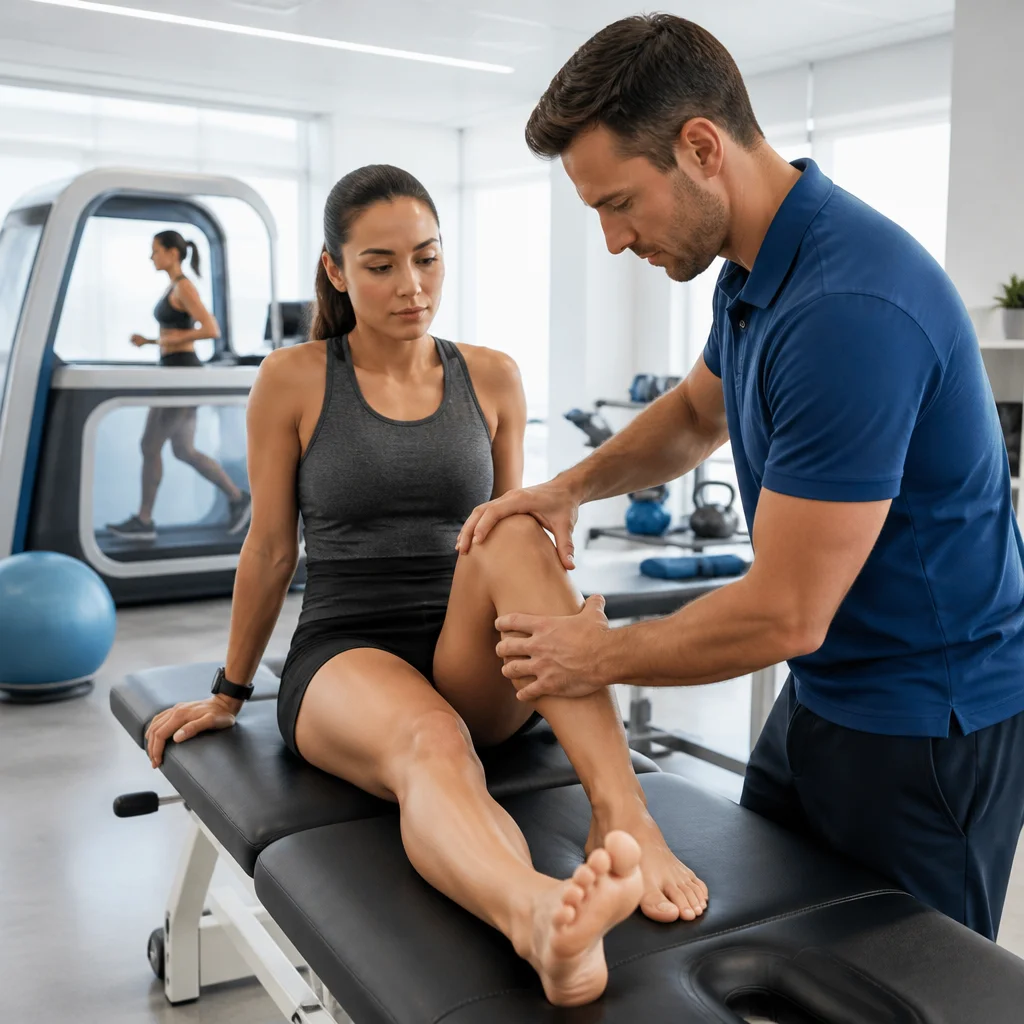
Every session begins with assessment. We evaluate which tissues are restricted, where trigger points have developed, and how your pain affects movement. This information guides the entire treatment.
During your session, we apply sustained pressure to affected areas, release fascial restrictions, and use manual techniques to restore tissue mobility. Unlike group classes or short appointments, our one-on-one sessions give us time to work thoroughly and adapt in real-time based on your feedback.
We also educate you on what we're treating and why. Understanding that your neck pain stems from tight upper trapezius muscles and thoracic spine stiffness makes home care recommendations more meaningful. You learn which movements help and which ones perpetuate the problem.
Sessions typically last 45-60 minutes, allowing adequate time for assessment, treatment, and discussion of your home care plan. Frequency varies—some patients benefit from weekly sessions initially, while others progress with bi-weekly appointments.
Advanced Manual Therapy Techniques We Use
Beyond traditional massage, we employ sophisticated manual therapy methods that address deeper issues.
Myofascial release targets the fascia, the connective tissue surrounding muscles. Chronic pain often involves fascial restrictions that limit movement and perpetuate tension. By releasing these restrictions, we restore mobility and reduce compensatory strain.
Trigger point therapy addresses hypersensitive spots within muscles that radiate pain to other areas. A trigger point in your gluteus medius might cause knee or hip pain. Precise pressure on the trigger point releases the referral pattern.
Joint mobilization techniques restore proper alignment and movement at articulations. Limited shoulder mobility, for example, often stems from restriction in the glenohumeral joint itself, not just surrounding muscles. Skilled mobilization can restore the movement your shoulder needs.
Soft tissue mobilization with movement (like active release) combines manual pressure with your active movement to break adhesions and restore tissue function. This approach works better than static stretching alone for many chronic conditions.
These techniques are reserved for trained professionals. Attempting them without proper assessment can worsen pain or create new problems.
Integrating Medical Massage With Our Comprehensive Recovery Program
Medical massage works best as one component of a larger strategy. We integrate integrated rehab in NYC that combines massage, manual therapy, strength training, and movement correction.
Here's how this integration works: massage restores tissue mobility and reduces pain, making movement less painful. Physical therapy strengthens muscles and corrects movement patterns that perpetuated the problem. Yoga or flexibility work maintains mobility and teaches body awareness. Together, these elements address pain from multiple angles rather than relying on any single treatment.
A patient with chronic lower back pain, for example, might receive medical massage to release tight paraspinal muscles and restore hip mobility, followed by strengthening work for core stability and hip extensors. Without the strength training, the mobility gains fade. Without the massage, strength work is limited by pain and tension.
This comprehensive approach is why we recommend ongoing collaboration with your physical therapist throughout massage therapy. They ensure each treatment supports your functional recovery goals.
Medical Massage for Sports-Related Chronic Pain
Athletes and active New Yorkers develop chronic pain patterns distinct from sedentary populations. Repetitive movements, high-intensity training, and old injuries that weren't properly rehabilitated create muscular imbalances and postural compensation.
A runner with chronic knee pain might have tight hip flexors and weak glutes. A tennis player with shoulder pain might have restricted thoracic rotation and tight pectoralis muscles. Sport-specific assessment reveals these patterns.
Medical massage for athletes targets the tissues overworked by sport while preparing muscles for return to activity. We work to resolve restrictions that limit your sport-specific movement patterns, not just general comfort.
Combined with return-to-action strength and conditioning training, massage helps you recover completely rather than return to activity with underlying dysfunction still present. This approach prevents recurring injury.
Combining Massage Therapy With Complementary Treatments
We often recommend combining medical massage with other advanced modalities for more comprehensive pain relief.
Shockwave therapy stimulates healing in tissues with chronic inflammation or calcification. It pairs well with massage, as improved tissue mobility allows shockwave energy to penetrate more effectively.
Class IV laser therapy reduces inflammation and promotes cellular healing. When combined with manual therapy, it accelerates tissue repair.
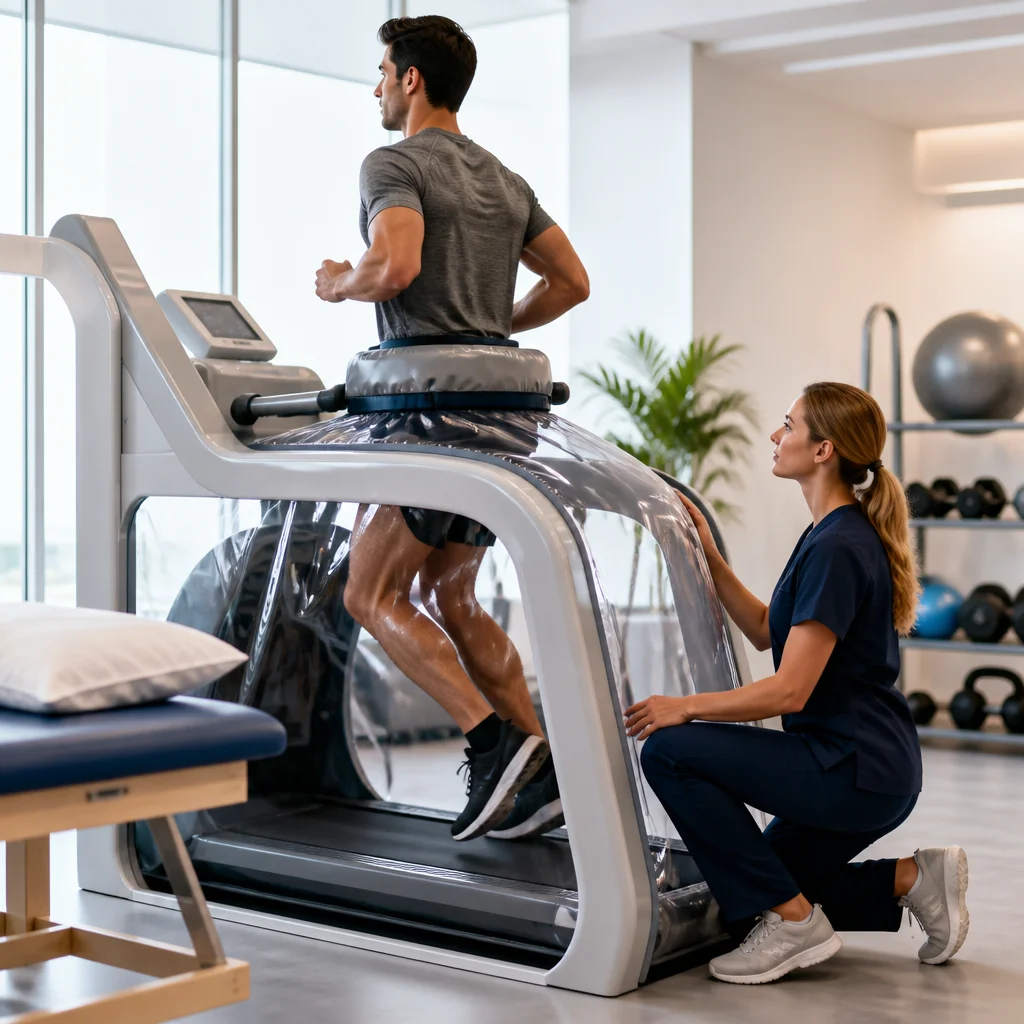
Anti-gravity treadmill training reduces impact on painful joints while allowing you to rebuild strength and cardiovascular fitness. Massage before these sessions reduces pain during exercise, making training more effective.
Yoga and flexibility work, whether led by our instructors or self-directed, maintain the mobility we restore through massage. Integrated yoga and massage create a powerful combination for chronic pain that involves movement dysfunction.
Your personalized plan determines which combinations serve your specific condition and goals.
What to Expect During Your Recovery Journey
Recovery from chronic pain isn't linear. You'll experience significant improvements, plateaus where progress seems stalled, and occasional setbacks. This is normal.
Most patients report noticeable improvement within 4-6 sessions, with continued progress over 8-12 weeks. However, timeline varies based on pain duration, tissue involvement, and how consistently you engage with your home care plan.
Initial sessions often bring temporary soreness as tissues respond to treatment. This typically resolves within 24-48 hours and shouldn't be confused with pain from your original condition.
As you progress, you'll notice changes in your daily life first: climbing stairs without pain, sleeping through the night, or returning to activities you've avoided. These functional improvements matter more than pain scale numbers.
We track your progress objectively through movement assessments, range of motion testing, and functional movement patterns. This documentation ensures your treatment stays effective and adjusts when needed.
Real Results: How Our Patients Return to Peak Performance
We've worked with countless New Yorkers who resolved chronic pain and returned to activities they thought they'd lost. A marketing executive with chronic neck and shoulder pain from desk work regained full mobility and eliminated medication dependency. A competitive cyclist with persistent hip pain returned to racing pain-free. A weekend warrior with chronic knee pain resumed hiking and running without limitation.
These results come from addressing root causes rather than chasing symptom relief. Patients who commit to the full program—massage, strength work, movement training, and home care—experience lasting change.
The investment in comprehensive treatment pays dividends. You don't just feel better; you move better, perform better, and prevent future injury.
Getting Started With Our Personalized Massage Therapy Plan
Begin with a comprehensive evaluation where we assess your pain pattern, movement quality, medical history, and functional goals. This assessment determines whether medical massage is appropriate for your condition and how it fits within a larger recovery strategy.
Based on this evaluation, we'll recommend a personalized plan that might include frequency of massage sessions, complementary treatments, and strength training elements.
Our one-on-one approach means your plan is uniquely yours. We don't apply generic protocols; we design treatment specifically for your body, your condition, and your goals.
If chronic pain has limited your life, we're ready to help you recover. Contact us to schedule your evaluation and take the first step toward sustainable pain relief and return to peak performance.
Frequently Asked Questions (FAQ)
What makes our medical massage therapy different from a traditional spa massage?
We distinguish our medical massage through clinical training and intentional treatment planning. Our therapists work directly with your physical therapy protocol to target specific tissues and movement patterns causing your chronic pain, rather than providing general relaxation. We use advanced manual therapy techniques tailored to your injury or condition, ensuring each session builds toward your functional recovery goals.
How does medical massage fit into my overall recovery plan at NYPT?
We integrate massage therapy with your one-on-one physical therapy sessions, anti-gravity treadmill training, and other modalities to create a cohesive treatment strategy. Our team communicates across all our services so that massage addresses the muscular restrictions while your PT sessions rebuild strength and mobility. This coordinated approach accelerates your return to peak performance and helps prevent re-injury.
How long does it typically take to see results from medical massage for chronic pain?
We often see our patients experience improved mobility and reduced pain within 3 to 6 sessions, though your timeline depends on your specific condition, injury history, and consistency with treatment. Some athletes notice immediate relief in stiffness and movement quality after their first session, while deeper tissue changes and sustained pain reduction develop over several weeks of care. We'll establish clear recovery milestones during your initial consultation so you understand what to expect.

Comments