

Top 8 Sports-Specific Rehab Strategies for Runners Returning to Marathon Training
Table of Contents
1. Advanced Manual Therapy Techniques for Running Injuries
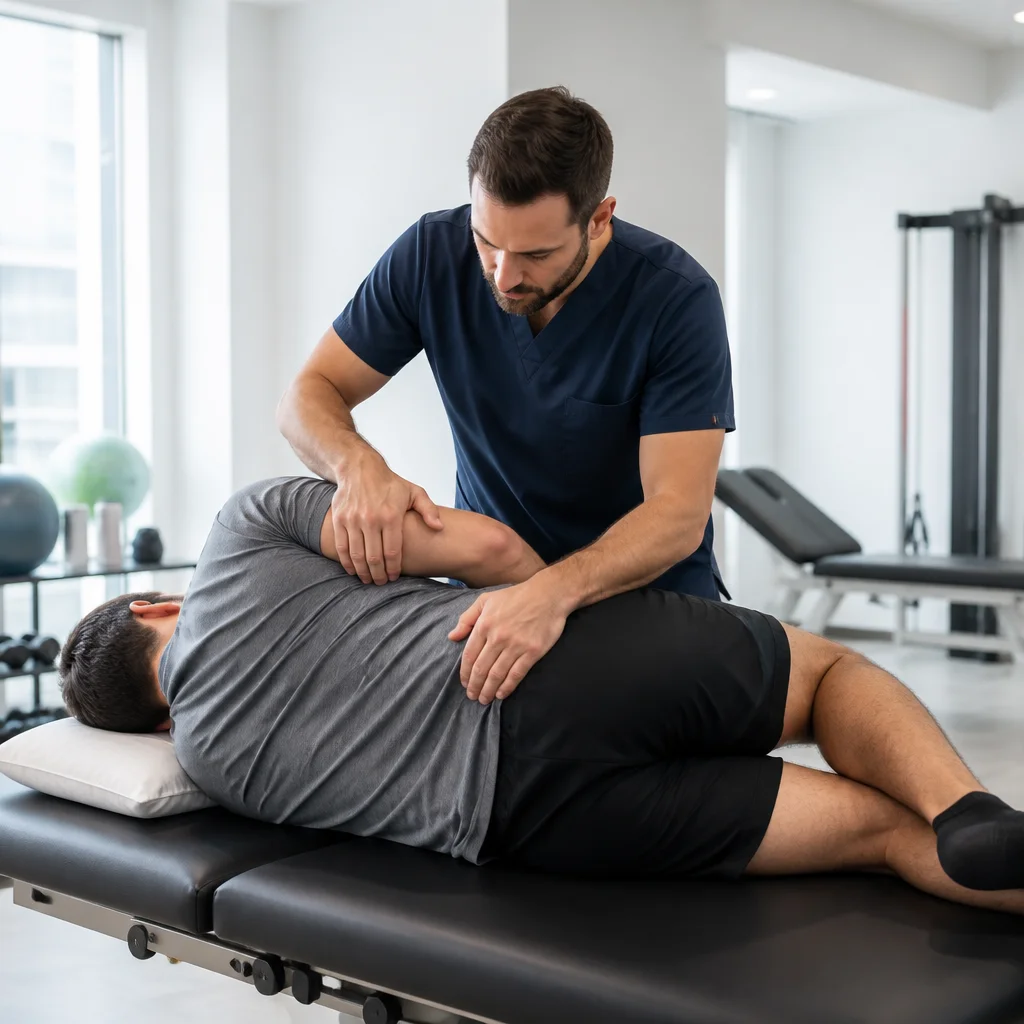
Runner injuries rarely exist in isolation. A tight hip flexor often masks ankle mobility restrictions. Calf tightness compounds knee tracking issues. We begin with hands-on assessment and treatment because manual therapy allows us to identify and release restrictions that imaging often misses.
Our clinicians use targeted soft tissue mobilization, joint mobilization, and myofascial release to restore normal movement patterns. These techniques aren't generic massage, they're precision interventions designed to address the specific tissues limiting your stride. For example, a runner with IT band syndrome might benefit from deep fascial release combined with hip stabilizer activation, not just stretching protocols that haven't worked before.
The advantage of manual therapy is immediate feedback. You feel restrictions release within a session, which builds confidence that change is happening. Most runners see noticeable improvements in range of motion and pain reduction within 2-3 sessions when paired with corrective exercises.
What to do next: Schedule an initial assessment so we can identify which tissue restrictions are driving your pain pattern. We'll show you exactly what's limiting your stride and create a hands-on treatment plan specific to your injury.
2. Anti-Gravity Treadmill Training to Rebuild Running Capacity
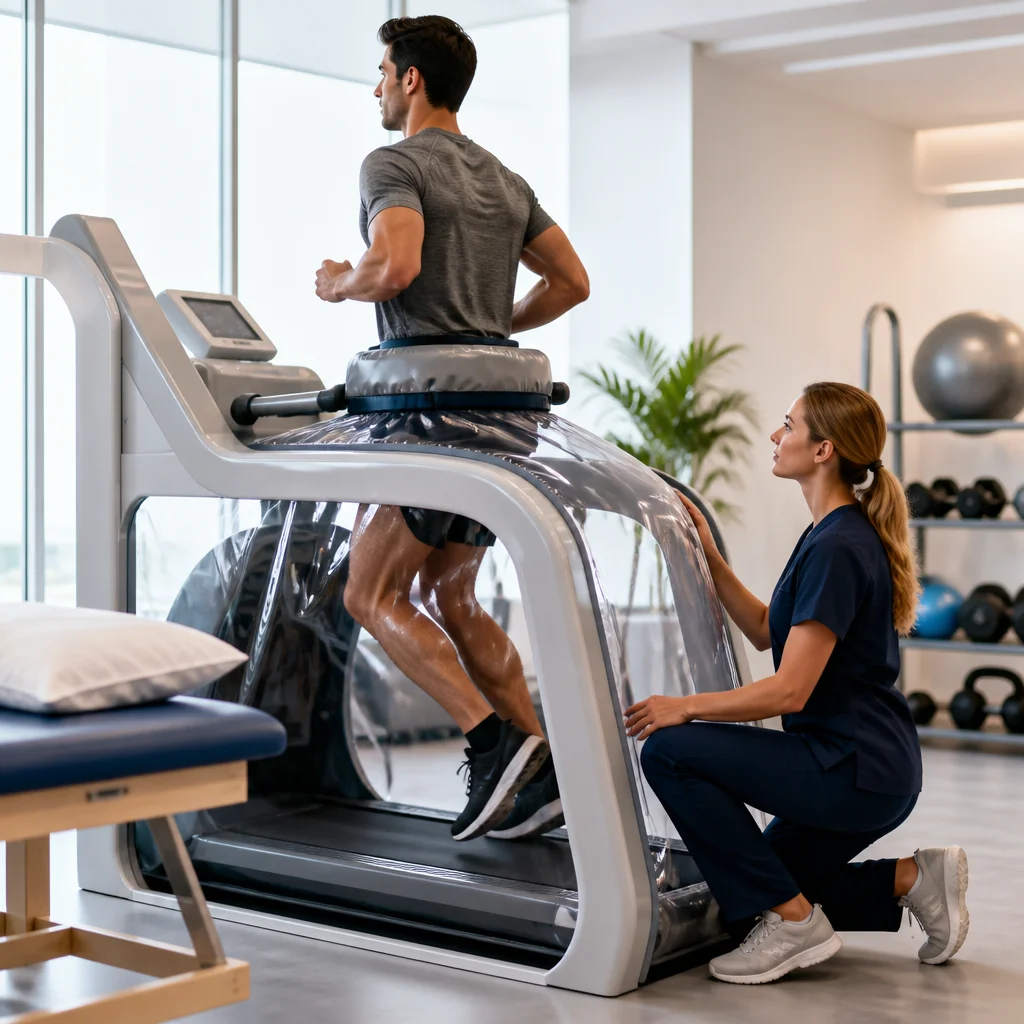
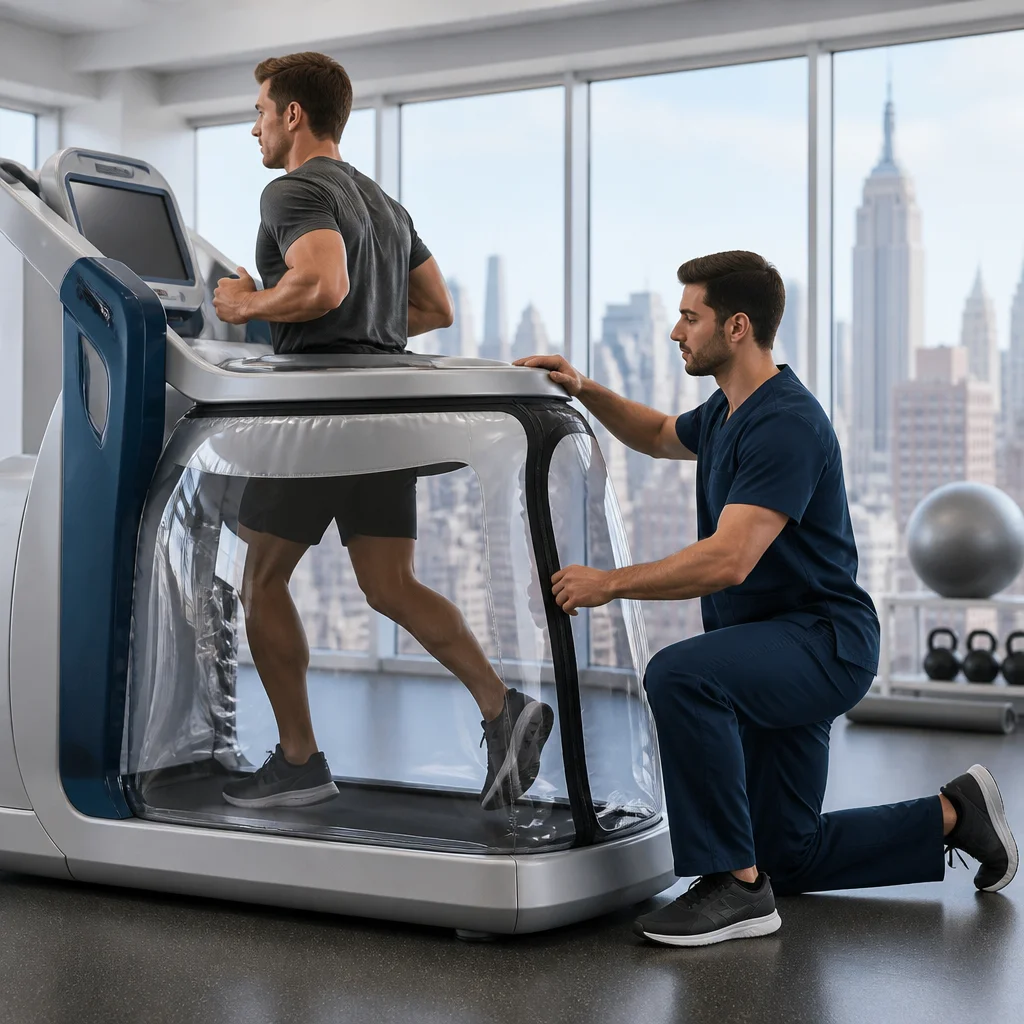
One of the biggest frustrations runners face is the gap between "I'm ready to run" and "I can run a marathon." Walking or light jogging on a regular treadmill often feels too aggressive early in recovery. Jumping straight to outdoor running risks re-injury. This is where anti-gravity treadmill therapy becomes a game-changer.
Our anti-gravity treadmill uses differential air pressure to reduce your body weight by up to 80%. This lets you run with minimal impact while your tissues adapt and strengthen. You're not just walking or doing pool running, you're maintaining your running form and cardiovascular fitness on an actual treadmill with progressive load. A runner recovering from a stress fracture might start at 50% body weight, then increase 10% each week until reaching full weight-bearing runs.
The progression is measurable and controlled. You build aerobic capacity without overwhelming healing tissues, and your brain relearns the movement patterns specific to running. Most runners surprise themselves with how much speed and distance they tolerate when impact load is managed intelligently.
What to do next: Ask us about anti-gravity treadmill protocols during your initial consultation. We'll design a progressive program that matches your injury timeline and marathon training schedule.
3. Shockwave and Laser Therapy for Accelerated Healing
Chronic running injuries like plantar fasciitis, Achilles tendinopathy, and calcified shoulder impingement respond well to traditional therapy alone, but recovery can drag on for months. Shockwave therapy benefits runners because it stimulates healing at the cellular level and breaks down scar tissue that limits function.
Class IV laser therapy complements this by reducing inflammation and accelerating tissue repair. Unlike lower-power lasers, Class IV penetrates deep into muscle and tendon, making it ideal for runners with deep tissue injuries. Many runners report reduced pain and improved mobility after just 4-6 sessions combined with their manual therapy and exercise work.
These modalities work best when they're part of a complete plan, not standalone treatments. We use them strategically to jumpstart healing when conservative care has plateaued, then reinforce gains with targeted strengthening and movement work.
What to do next: Bring imaging or injury history to your first visit. We'll assess whether shockwave or laser therapy will accelerate your specific injury timeline and integrate it into your rehab protocol.
4. Post-Surgical Orthopedic Rehabilitation for Runners
Post-surgical rehab demands precision. Whether you had ACL reconstruction, meniscus repair, stress fracture fixation, or hip arthroscopy, the early phases are critical. Too much load too soon risks re-injury and prolongs overall recovery. Too little, and you lose strength and return to function slowly.
We follow evidence-based surgical rehabilitation protocols tailored to your specific procedure. If you had meniscus repair, your first weeks involve protected range of motion and isometric strengthening. As tissues heal, we progress to weight-bearing exercises, then dynamic movement, then sport-specific demands. This phased approach respects biological healing timelines while maintaining strength in surrounding areas.
The key difference in our approach is individualization. A 28-year-old competitive marathoner with ACL reconstruction has different goals and timelines than a 55-year-old who runs for health. We adjust intensity, volume, and progression based on your specific recovery timeline and long-term ambitions.
What to do next: If you're cleared by your surgeon to begin rehab, bring your surgical report and post-op guidelines. We'll coordinate with your surgical team and create a progressive return-to-running timeline that respects your healing while keeping you engaged.
5. Sport-Specific Strength and Conditioning Programming
Generic strength training won't cut it for marathon training. Running requires unilateral stability, eccentric strength, metabolic endurance, and explosive power all working together. Our strength and conditioning programs build these capacities in ways that transfer directly to running performance.
For example, single-leg deadlifts and step-ups build the hip stability runners need to control their pelvis during the landing phase. Eccentric calf strengthening on a decline board prepares tissue for the repetitive stress of downhill running. Explosive bounding and jumping drills maintain power and prevent the deceleration injuries common in fatigued runners.
We program these drills progressively, matching volume and intensity to your running mileage schedule. You're not training in isolation, you're building specific strength that enhances your running economy and resilience.
What to do next: Share your current training volume and upcoming marathon date. We'll design a complementary strength program that fits within your running schedule and targets your specific weak links.
6. Personalized One-on-One Physical Therapy Assessment
Every runner's injury tells a different story. One runner with knee pain might have collapsed arches and weak glutes. Another might have tight hip flexors and poor hip extension. Without understanding your movement patterns, tissue quality, and strength baselines, any rehab plan is a guess.
Our initial assessment is comprehensive. We evaluate your running biomechanics, test hip, ankle, and thoracic mobility, assess single-leg stability, and screen for strength imbalances. We watch you move in ways that matter for running, not just isolated tests. This assessment becomes the foundation for your entire rehab program and the baseline we measure progress against.
One-on-one sessions also mean you get immediate feedback and form correction. If you're compensating with your knee during a single-leg squat, we catch it and adjust right away. This constant cueing accelerates learning and prevents you from reinforcing dysfunctional patterns.
What to do next: Schedule your evaluation soon, ideally before resuming heavy running training. We'll identify which imbalances or restrictions are driving your injury and create a roadmap back to performance.
7. Integrated Yoga and Mobility Work for Runner Flexibility
Runners often neglect flexibility and mobility, or they stretch incorrectly and stay tight anyway. Static stretching during warm-up actually impairs performance. Dynamic mobility work makes more sense. We integrate yoga-based movement and active stretching into your rehab to improve range of motion while maintaining strength and stability.
Rather than holding stretches, we work through multiple planes of motion with control. You might do a dynamic hip opener that strengthens your glutes while improving external rotation, or a thoracic flow that improves spinal mobility while engaging your core. These integrated movements feel better than passive stretching and carry over directly to running form.
Yoga also addresses the mental and nervous system side of recovery. Injury creates tension and guarding, which prolongs pain even after tissues heal. Mindful movement helps you rebuild trust in your body and reduce the protective tension that limits your stride.
What to do next: Include dedicated mobility sessions 2-3 times weekly, separate from your running and strength work. We can teach you foundational flows to practice at home between sessions.
8. Return to Action Training: Building Confidence Before Marathon Season
The final phase of rehab is psychological as much as physical. You're strong enough to run, your tissues are healed, but your nervous system hasn't caught up. You're hesitant on descents, you doubt your leg under fatigue, you worry about re-injury. This phase is about rebuilding confidence through progressive challenge and exposure.
We gradually increase running volume, intensity, and environmental demand. You might progress from treadmill running to outdoor flat routes, then rolling terrain, then progressive hill work. Speed work returns in phases, starting with tempo runs before advancing to interval training. Each small success builds the neuromotor confidence that lets you handle race-day demands.
Return to action training also includes sport-specific scenarios. If your race involves hill repeats, we train them. If you'll navigate city streets or crowded race conditions, we prepare you for those demands. This specificity ensures you're not just physically ready, you're mentally and physically prepared for the exact demands of marathon training and racing.
What to do next: Plan a phased return over 8-12 weeks before your target marathon. We'll create weekly progression targets for running volume and intensity, with built-in assessment points to ensure you're ready to advance.
For further reading: Anti-Gravity treadmill therapy.
Frequently Asked Questions (FAQ)
How long does it typically take to return to marathon training after a running injury?
We customize recovery timelines based on your specific injury, severity, and training history, but most of our runners return to structured marathon training within 8-12 weeks with our sport-specific rehab approach. Our one-on-one assessment helps us establish realistic milestones, and we use our anti-gravity treadmill to gradually rebuild your running capacity while protecting healing tissues. We monitor your progress closely and adjust your program as you demonstrate increased strength and pain-free movement.
What makes your rehab approach different from standard physical therapy for runners?
We combine advanced manual therapy, cutting-edge technology like shockwave and Class IV laser therapy, and sport-specific conditioning tailored to marathon demands rather than generic exercises. Our team works with you individually to understand your running goals and training schedule, integrating yoga and mobility work alongside strength training to address both injury recovery and performance optimization. We focus on returning you to action with confidence, not just pain relief.
Can I continue training while undergoing rehab at your clinic?
We work with you to modify your training rather than stop it completely, which is crucial for maintaining your mental edge and competitive fitness. Our return to action protocol includes structured progressions on our anti-gravity treadmill and personalized strength conditioning that complements your healing process. We'll communicate directly with your training schedule to ensure rehabilitation supports your marathon goals without compromising your recovery.
Comments