

Top 8 Massage Techniques for Shockwave Therapy Recovery and Peak Athletic Performance
Table of Contents
2. Myofascial Release to Address Tissue Restrictions Post-Treatment
3. Trigger Point Therapy for Targeted Pain Relief and Muscle Tension
4. Sports Massage Techniques to Restore Athletic Movement Patterns
5. Lymphatic Drainage Massage to Reduce Post-Treatment Inflammation
6. Soft Tissue Mobilization for Enhanced Tissue Regeneration
7. Integrated Recovery Protocols Combining Massage with Our Advanced Therapies
8. Personalized Recovery Plans Tailored to Your Specific Athletic Goals
1. Deep Tissue Massage for Improved Blood Flow and Healing
Shockwave therapy is a game-changer for athletes dealing with chronic pain, tendon injuries, and soft tissue damage that hasn't responded to traditional approaches. The acoustic waves trigger your body's natural healing response, breaking down scar tissue and stimulating blood flow to injured areas. But here's what many athletes miss: shockwave treatment works best when paired with targeted massage therapy during recovery.
We've found that combining shockwave therapy with strategic massage techniques accelerates healing, reduces inflammation, and gets you back to your sport faster. This guide walks you through eight evidence-based massage approaches that complement shockwave treatment and keep you performing at your peak.
After shockwave therapy, your injured tissues need oxygen and nutrients flowing to the area. Deep tissue massage applies sustained pressure to muscle layers beneath the surface, increasing circulation and warming the tissue. This isn't the relaxation massage you'd get at a spa, it's therapeutic work designed to support active recovery.
When we use deep tissue techniques on patients post-shockwave, we're strategically breaking up adhesions while encouraging nutrient delivery to healing structures. The pressure stimulates your parasympathetic nervous system, which signals your body to shift into recovery mode. Over 48-72 hours following treatment, this consistent blood flow prevents stiffness and supports the tissue remodeling process.
Your next step: Schedule massage sessions 48 hours after shockwave treatment, giving initial inflammation time to settle while capitalizing on the healing window. Communicate with your therapist about which areas received shockwave so pressure can be appropriately calibrated.
2. Myofascial Release to Address Tissue Restrictions Post-Treatment
The fascia, a connective tissue layer surrounding muscles and organs, often becomes restricted and immobile around injury sites. Shockwave breaks up calcifications and scar tissue, but surrounding fascia can remain tight and limit your range of motion. Myofascial release targets these restrictions using sustained, controlled pressure applied at different angles.
We apply techniques like sustained holds, slow stripping, and cross-friction to address fascial tightness without aggravating freshly treated areas. This approach works because it addresses the tissue architecture around the injury, not just the injury itself. Athletes often regain 15-20% more mobility within two weeks of combining shockwave with myofascial release.
The key is timing and communication. Tell your therapist the exact location and date of your shockwave treatment so they can grade pressure appropriately and avoid treating the immediate trauma zone during the first week of healing.
3. Trigger Point Therapy for Targeted Pain Relief and Muscle Tension
Muscles around an injury site develop trigger points, those knots of sustained muscle tension that refer pain to other areas. After shockwave therapy, surrounding musculature often compensates and tightens further. Trigger point therapy isolates these specific points and applies concentrated pressure until the muscle releases.
This technique is particularly effective for athletes because it addresses the muscular guarding pattern that develops around injury. When your body protects an injured area, surrounding muscles stay contracted, limiting movement and delaying return to sport. Trigger point work breaks that cycle by releasing the muscle fibers directly.
We find that 6-8 sessions of trigger point therapy spaced over 2-3 weeks post-shockwave significantly reduces pain referral patterns and restores normal movement mechanics. Start gently during the first week, then increase pressure as tissue tolerance improves.
4. Sports Massage Techniques to Restore Athletic Movement Patterns
Sports massage differs from general therapeutic massage because it's designed around movement and performance, not just pain relief. We use techniques like cross-fiber friction, compression, and rhythmic mobilization to restore the specific movement patterns you need for your sport.
Whether you're a runner, climber, tennis player, or weightlifter, your injury recovery requires movement-specific work. We assess your sport's demands and design massage sessions that restore the exact muscle activation patterns, range of motion, and neuromuscular coordination you've lost. This is where recovery becomes targeted athletic preparation.
Our approach includes dynamic stretching integrated into the massage session, proprioceptive work to restore body awareness, and progressive loading to prepare tissues for sport-specific demands. Sports-specific shockwave therapy pairs perfectly with this because shockwave removes the tissue barrier while sports massage rebuilds the athlete.
Action item: Bring videos or descriptions of your sport's key movements to your massage appointment. This helps us prioritize which muscle groups and movement patterns need emphasis during recovery.
5. Lymphatic Drainage Massage to Reduce Post-Treatment Inflammation
Shockwave therapy triggers inflammation as part of the healing cascade, but excessive swelling limits mobility and prolongs recovery. Lymphatic drainage massage uses gentle, rhythmic techniques to move fluid through your lymphatic system, reducing swelling without disturbing healing tissues.
This technique employs very light pressure (often lighter than you'd expect) applied in directional patterns that follow your lymphatic pathways. We're not treating muscle here, we're facilitating the body's natural fluid management system. For athletes, reduced swelling means faster restoration of joint mobility and less pain with movement.
The timing matters here. Lymphatic drainage works best during the first 5-7 days post-shockwave when inflammation is highest. Follow up with more active techniques like deep tissue or sports massage as swelling decreases and tissue tolerance improves.
6. Soft Tissue Mobilization for Enhanced Tissue Regeneration
Soft tissue mobilization combines hands-on pressure with movement. Your therapist applies sustained pressure to a tight area while you actively move the joint through its range of motion. This technique breaks down scar tissue, restores neuromuscular control, and improves tissue quality more effectively than passive treatment alone.
We find this approach particularly valuable 2-3 weeks post-shockwave, when initial inflammation has settled but tissue remodeling is active. The combination of pressure and movement tells your nervous system that the area is safe to move, which reduces guarding and accelerates functional recovery.
Your therapist might apply pressure to your calf while you move your ankle through dorsiflexion and plantarflexion, or stabilize your shoulder blade while you move your arm overhead. This active component means you're building strength and control simultaneously, not just receiving treatment.
7. Integrated Recovery Protocols Combining Massage with Our Advanced Therapies
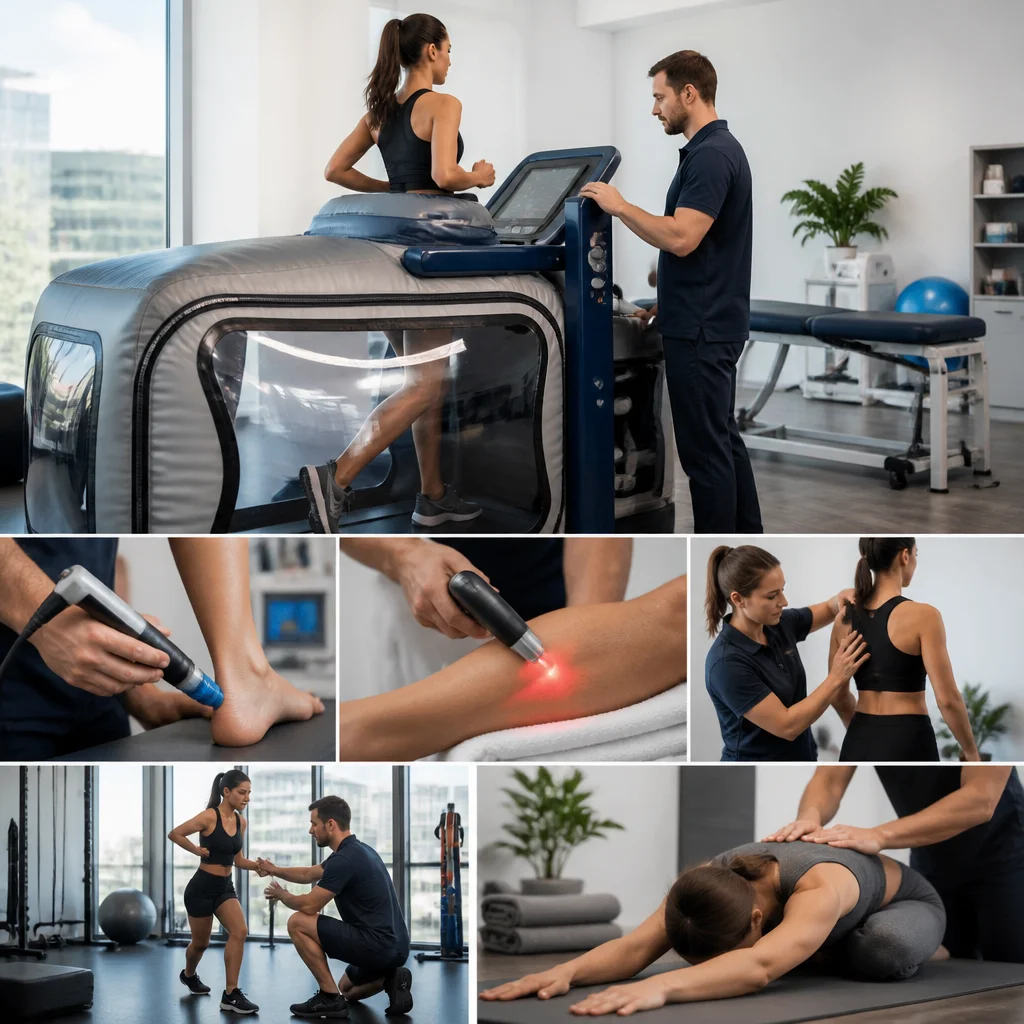
At NYPT Health and Rehab, we've developed integrated recovery protocols that layer shockwave therapy, massage, Class IV laser therapy, and targeted strength work into a coordinated plan. This isn't just doing multiple treatments separately, it's designing a sequence where each modality enhances the others.
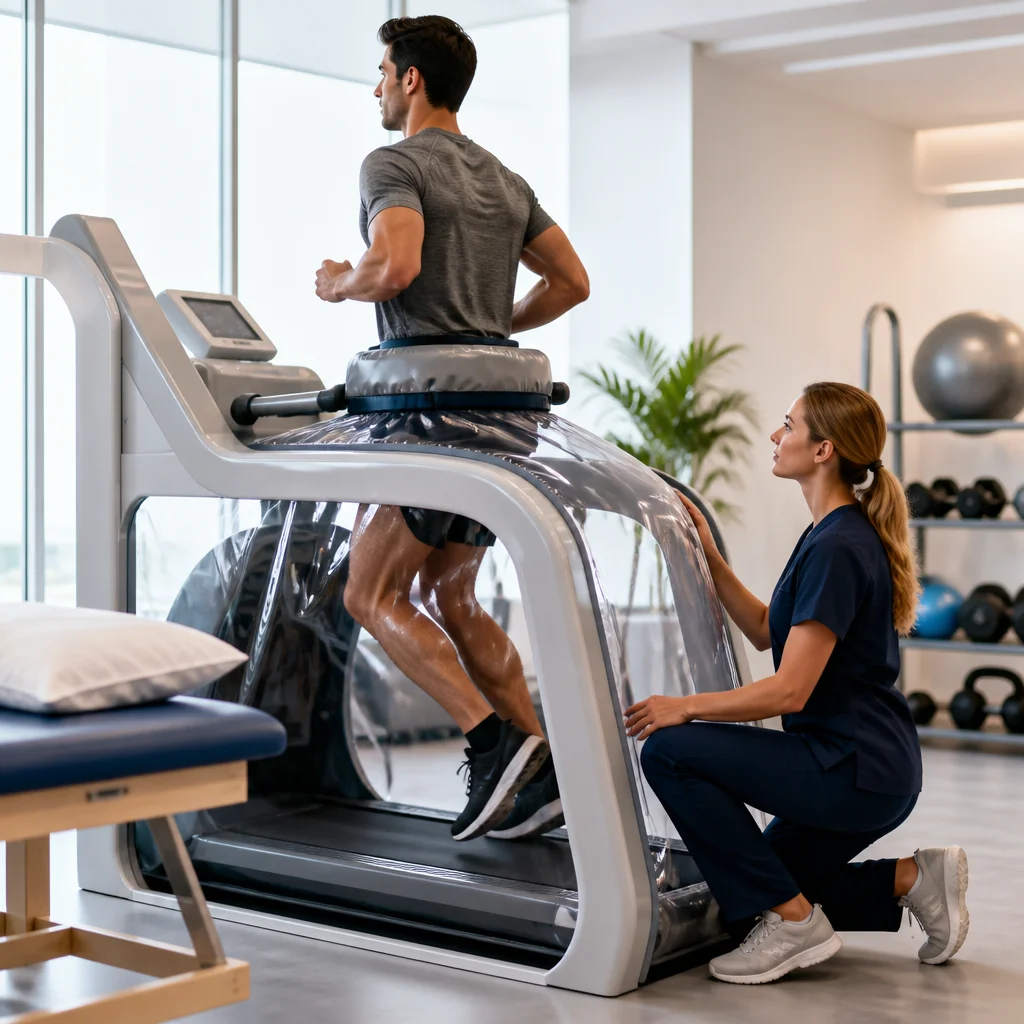
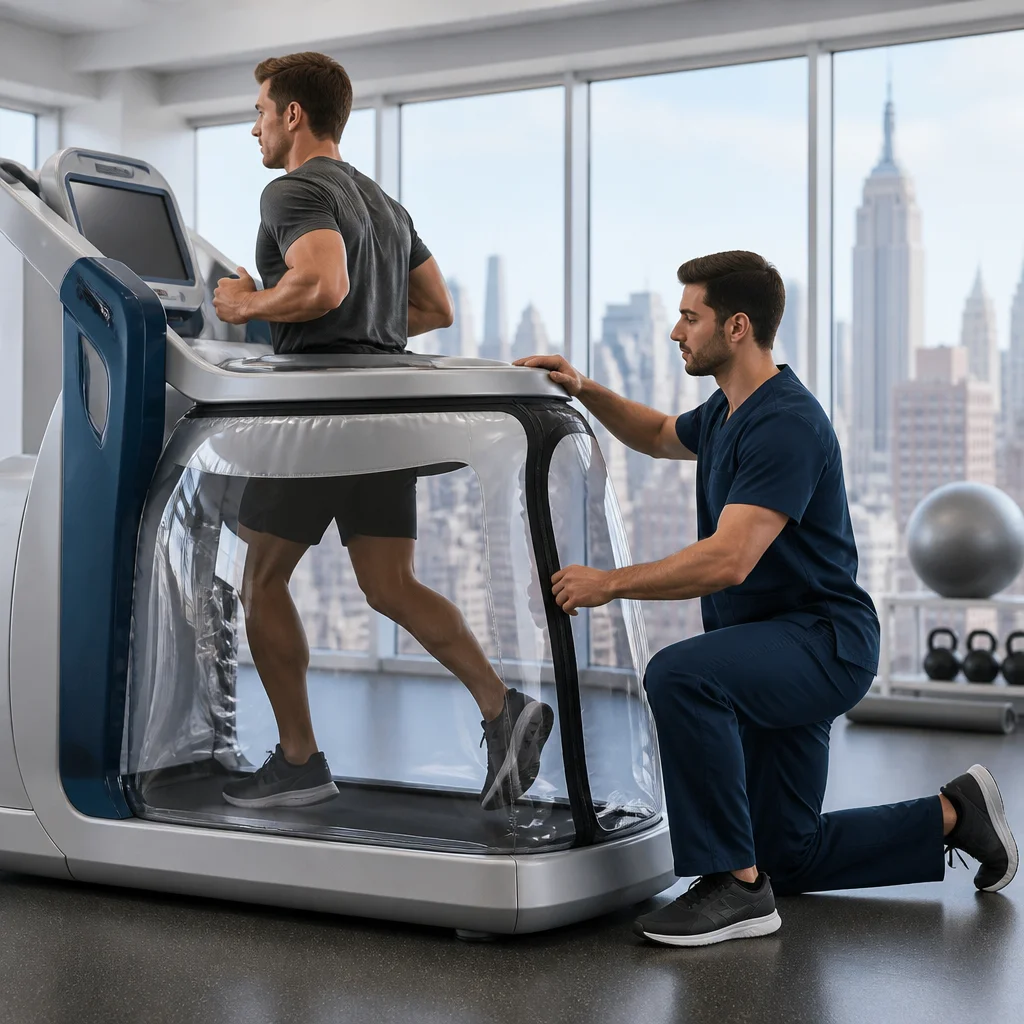
Shockwave initiates healing and breaks down scar tissue. Massage then mobilizes tissues, reduces inflammation, and restores movement patterns. Our Class IV laser therapy penetrates deeper tissues to accelerate cellular regeneration. Anti-gravity treadmill training allows you to load the healing structure at your controlled intensity. Finally, sports-specific strength and conditioning rebuilds power and prevents re-injury.
We monitor your progress weekly, adjusting protocols based on your response. Some athletes benefit from more frequent massage early in recovery, while others need concentrated strength work once initial inflammation settles. This personalized sequencing is what separates genuine recovery from simply receiving treatments.
The integrated approach typically shortens recovery time by 30-40% compared to shockwave or massage alone, getting you back to your sport safely and with lower re-injury risk.
8. Personalized Recovery Plans Tailored to Your Specific Athletic Goals
Your recovery plan should be built around your goals, not a generic template. An amateur runner recovering from plantar fasciitis needs different massage emphasis than a competitive swimmer with shoulder impingement. We start by understanding your sport, your specific injury mechanism, and your timeline for returning to competition.
During your initial assessment, we evaluate your movement quality, identify compensation patterns, and determine which massage techniques and treatment modalities will have the biggest impact. We also factor in your training schedule, competitive calendar, and personal preferences about treatment frequency and intensity.
Your personalized plan includes:
Specific massage techniques sequenced over your recovery timeline
Integration points between massage and shockwave therapy
Complementary modalities like laser therapy or anti-gravity treadmill training
Progressive strength and conditioning work matched to your sport's demands
Clear milestones for returning to training and competition
We schedule regular reassessments to ensure you're progressing as expected and adjust your plan if needed. This level of personalization requires experienced clinicians working with you one-on-one, not technicians running standard protocols.
Shockwave therapy combined with strategic massage recovery accelerates healing and restores athletic performance in ways that neither treatment delivers alone. The key is timing, technique selection, and integration with complementary therapies. Whether you're recovering from tendinopathy, a sports injury, or post-surgical rehabilitation, a personalized approach tailored to your specific goals and sport makes all the difference.
We invite you to schedule a consultation at NYPT Health and Rehab. Our clinicians will assess your injury, design an integrated recovery protocol combining shockwave therapy with massage and advanced modalities, and guide you back to peak performance. Your recovery shouldn't be generic or rushed, it should be strategic, personalized, and aligned with what matters most: your return to the sport and lifestyle you love.
Frequently Asked Questions (FAQ)
Why should I combine massage with shockwave therapy treatment?
We've found that massage significantly enhances shockwave therapy recovery by improving blood circulation, reducing inflammation, and restoring tissue flexibility in the treated area. When we integrate targeted massage techniques like myofascial release and trigger point therapy into your post-shockwave protocol, you experience faster healing and regain your athletic movement patterns more effectively than shockwave treatment alone.
How soon after shockwave therapy can I receive massage treatment?
We typically recommend waiting 24 to 48 hours after your shockwave session before beginning massage therapy to allow initial inflammation to subside. During your consultation, our team will assess your specific injury and recovery timeline to determine the optimal timing for incorporating massage into your personalized rehabilitation plan.
What makes your integrated recovery approach different for athletes?
We combine shockwave therapy, advanced manual techniques, and sports-specific massage within a single recovery protocol designed specifically for your athletic goals. Rather than treating each modality separately, our team coordinates your sessions to rebuild strength, restore movement patterns, and get you back to peak performance on your timeline.
Comments